How to Choose the Right Serial to Ethernet Converter for Your Project
When it comes to connecting serial devices to modern Ethernet networks, a serial to Ethernet converter is an essential tool. It bridges legacy RS232 or RS485 serial communication with network systems, ensuring seamless data transfer, remote management, and industrial reliability.
At Avyanna Tech, our Serial Device Server (Model: AT-SR-232/485) is designed for high performance, safety, and flexibility, making it the perfect choice for automation, control, and data monitoring projects.
1. Understand Your Communication Requirements
Before selecting a serial to Ethernet converter, identify the communication standard used by your devices.
The Avyanna Tech AT-SR-232/485 supports both RS232 and RS485 protocols, making it versatile for different industrial applications. Whether you’re connecting a single device or multiple controllers, this flexibility ensures compatibility with a wide range of PLCs, sensors, and automation equipment.
2. Check Network Compatibility and Protocol Support
A reliable converter should handle multiple network protocols for smooth integration.
Avyanna’s converter supports TCP, UDP, ARP, HTTP, ICMP, DHCP, and DNS, ensuring stable and efficient communication with industrial and building automation systems.
This wide protocol range makes it suitable for PLC control, healthcare automation, and environmental monitoring systems.
3. Prioritize Industrial Durability
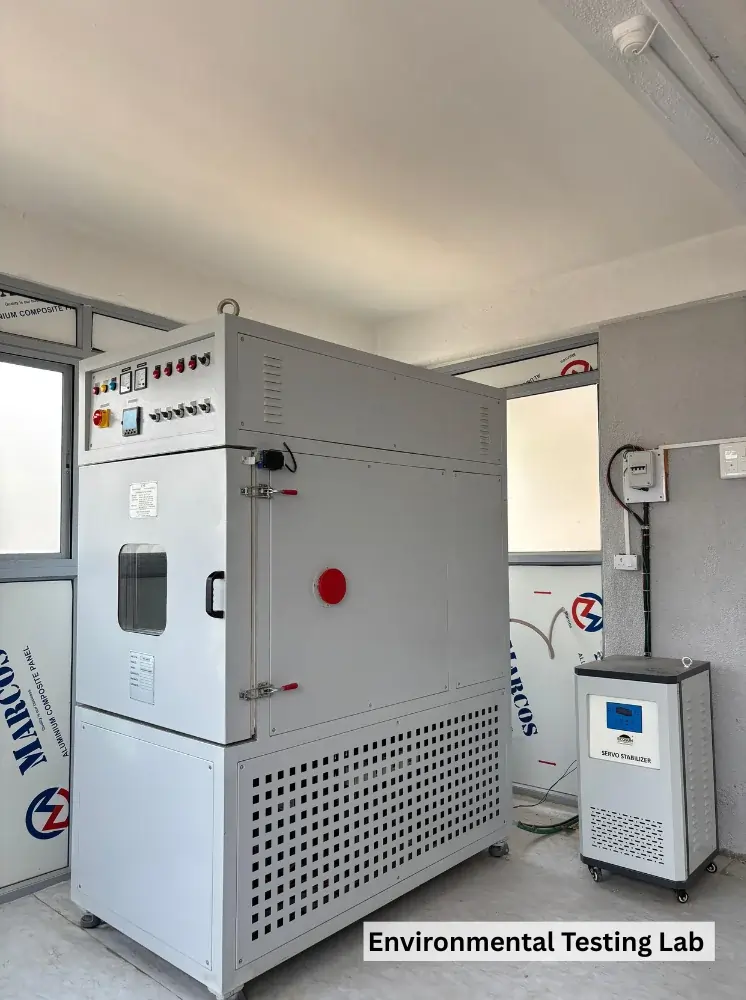
In industrial environments, temperature and humidity tolerance are critical. The Avyanna Tech Serial Device Server operates safely in −10°C to +55°C with 5%–95% non-condensing humidity, making it reliable even in harsh conditions. It also meets ROHS certification standards, ensuring quality and environmental safety.
4. Evaluate Power and Installation Needs
Power flexibility helps in diverse setups. Avyanna’s model supports a wide DC input range (9–36V) with low current consumption, just 80mA@9V and 70mA@12V. Its panel mounting design allows easy integration into industrial cabinets or control panels without requiring major modifications.
5. Look for Ease of Configuration
Managing and configuring devices should be simple. The Avyanna Tech Serial to Ethernet Converter offers Web Configuration Management, allowing users to adjust settings remotely without needing additional software. This makes setup faster and maintenance easier.
6. Consider Speed and Connection Quality
The AT-SR-232/485 supports baud rates from 1200 to 115200bps and full/half-duplex mode for smooth communication. It features an RJ45 Ethernet port (10/100 Mbps), ensuring high-speed, stable data transmission for real-time monitoring and control applications.
7. Verify Indicators and Diagnostics
Built-in indicators like Power ON, Serial Communication, and Reset LEDs provide quick status visibility, helping technicians monitor device performance at a glance and troubleshoot faster.
Conclusion
Choosing the right serial to Ethernet converter depends on reliability, flexibility, and industrial performance. With features like RS232/RS485 support, TCP/IP protocol compatibility, ROHS certification, and rugged design, the Avyanna Tech AT-SR-232/485 is engineered to meet modern industrial demands with precision and ease.
For more details, visit our product page!



[email protected]