Remote Diagnostics & Predictive Maintenance with Remote I/O: A Step-by-Step Guide
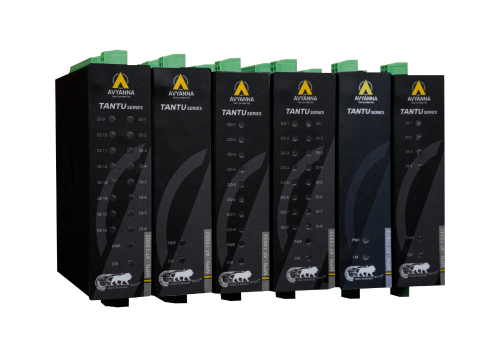
Remote I/O Module for Diagnostics & Predictive Maintenance
In today’s industrial automation landscape, ensuring seamless operation and minimizing downtime are critical to maintaining productivity and reducing operational costs. One powerful way to achieve this is through implementing remote diagnostics and predictive maintenance using a remote i/o module. These technologies leverage real-time data to identify early signs of failure and enable proactive action before issues escalate, an approach that is essential in modern smart manufacturing and process industries.
At Avyanna Tech, our range of remote i/o module solutions and input output module technology are designed to support advanced diagnostics and predictive maintenance as part of an integrated automation strategy. A remote i/o module collects signals from field sensors and actuators, sending them to central controllers or monitoring platforms. An input output module processes these signals, enabling both monitoring and control functions in distributed environments.
What Is Remote Diagnostics in Remote I/O?
Remote diagnostics refers to the capability of monitoring the health and status of automation components, like an input output module or remote i/o module, from a distance without physical site inspection. With remote diagnostics, you can view real-time information such as:
- Signal integrity and status of digital or analog channels
- Communication health with the controller
- Power or voltage abnormalities
A remote i/o module with diagnostic capabilities tracks performance data and alerts operators or maintenance systems when deviations occur. This feature is critical for efficient maintenance planning and reducing unplanned outages.
Why Predictive Maintenance Matters
Traditional maintenance strategies, such as scheduled or reactive maintenance, can lead to unnecessary service actions or costly downtime. In contrast, predictive maintenance uses data collected by remote i/o modules and input output modules to forecast equipment behavior and condition. The main benefits include:
- Early detection of signal degradation
- Reduced downtime through timely interventions
- Optimized maintenance scheduling
- Longer service life of sensors and actuators
Using advanced analytics on data from a remote i/o module enables systems to predict failures before they occur, transforming maintenance from reactive to proactive.
Step-by-Step Guide to Implement Remote Diagnostics & Predictive Maintenance
Step 1 — Deploy Remote I/O Modules at Key Points
Place a remote i/o module close to sensors and actuators in the field. This minimizes wiring complexity and brings control closer to the source of data. Each input output module can handle multiple digital and analog signals, feeding them into a central controller or edge analytics platform.
Step 2 — Integrate Communication Protocols
Configure your remote i/o module with industrial communication protocols such as Modbus RTU/TCP, Profibus, or Ethernet/IP. These protocols ensure reliable data flow between the input output module and higher-level SCADA/PLC systems for real-time monitoring.
Step 3 — Enable Diagnostic Features
Most modern remote i/o modules include built-in diagnostics. These features allow you to:
- Monitor signal loss or noise
- Alert on channel failures
- Check the communication link status
With diagnostics enabled, your input output module becomes a first line of defense against unexpected faults.
Step 4 — Connect to Data Platforms
Route diagnostic data from your remote i/o module into maintenance dashboards, cloud analytics, or machine learning tools. Capturing long-term trends helps identify patterns that might signal the need for maintenance.
Step 5 — Analyze Trends & Predict Failures
Using historical and real-time data from your remote i/o modules, predictive maintenance systems can calculate the remaining useful life of components or determine when a channel or sensor may fail, allowing maintenance teams to act before a breakdown.
Best Practices for Success
- Use rugged, industrial-grade remote i/o modules that withstand harsh environments.
- Leverage communication diagnostics to continually assess network performance.
- Translate raw data into actionable insights with analytics platforms.
- Ensure clear documentation and configuration management for each input output module in your system.
Conclusion: Building Smarter Maintenance with Avyanna Tech
Incorporating remote diagnostics and predictive maintenance strategies using a remote i/o module and input output module elevates industrial reliability and uptime. By following this step-by-step guide, manufacturers and automation engineers can reduce costly downtime and move toward a more efficient, data-driven maintenance model.
To learn more about how Avyanna Tech’s remote i/o modules can help you implement predictive maintenance in your setup, visit our detailed product page for more information.

[email protected]