
Best Serial Device Server Solutions for Small & Medium Businesses
Best Serial Device Server Solutions | Avyanna Tech
As small and medium businesses (SMBs) grow, so does their reliance on machines, sensors, controllers, and legacy equipment. Many of these devices still communicate through serial interfaces like RS-232, RS-422, or RS-485. While reliable, these protocols weren’t designed for today’s Ethernet-based networks. This is where a serial device server becomes a practical and future-ready solution.
At Avyanna Tech, we work with businesses that want to modernize their operations without replacing existing hardware. Let’s explore why serial device servers are essential for SMBs and how choosing the right solution can simplify connectivity, improve reliability, and reduce costs.
Why SMBs Still Depend on Serial Devices
Despite rapid digital transformation, serial communication remains widely used in industries such as manufacturing, utilities, energy, building automation, and transportation. Devices like PLCs, meters, CNC machines, access control systems, and sensors often rely on serial ports for stable communication.
For SMBs, replacing this equipment is rarely cost-effective. The challenge isn’t the devices themselves; it’s how to connect them to modern IP networks.
That’s exactly what a serial device server is designed to do.
What Is a Serial Device Server?
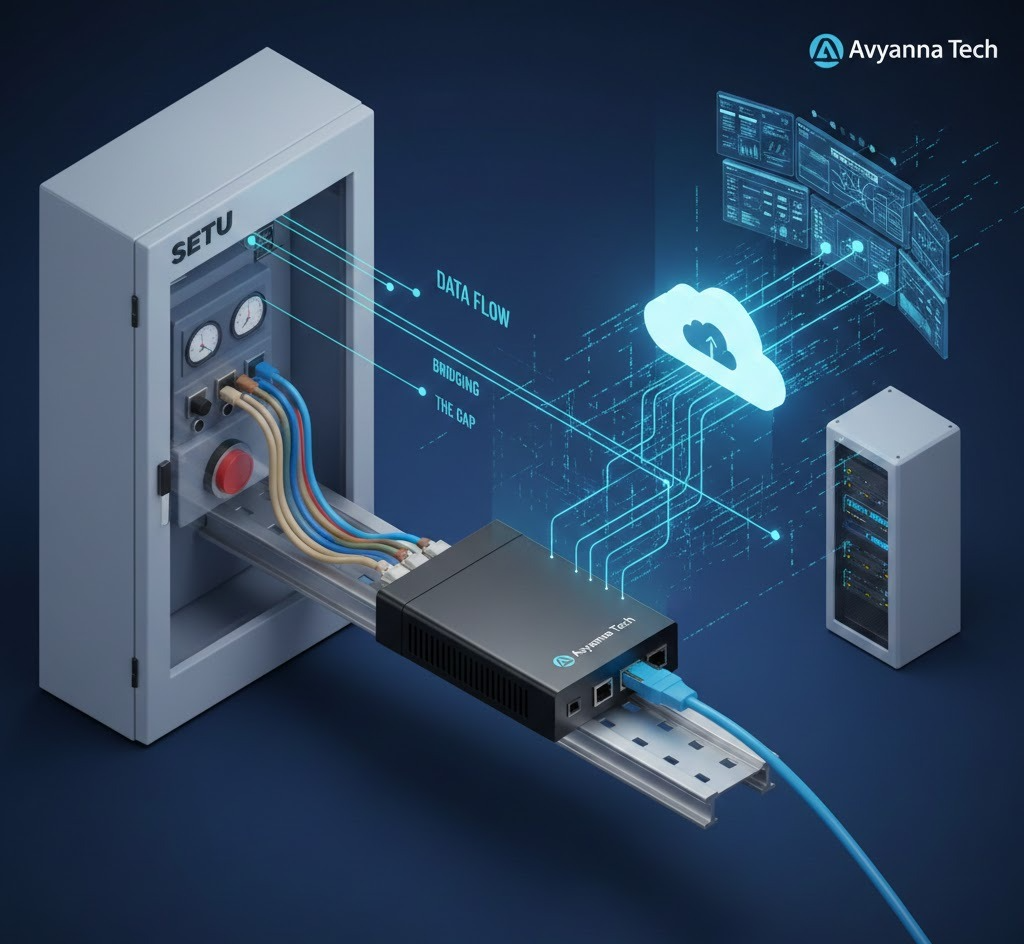
A serial device server acts as a bridge between serial devices and Ethernet networks. It converts serial data into TCP/IP, allowing legacy equipment to communicate over LANs, WANs, or even cloud-based systems.
In simple terms, it lets your existing serial devices:
- Connect to Ethernet networks
- Be accessed remotely
- Integrate with modern software and monitoring systems
This makes serial device servers an ideal solution for SMBs looking to upgrade connectivity without disrupting operations.
Why Serial Device Servers Make Sense for Small & Medium Businesses
1. Cost-Effective Modernization
SMBs often operate on tight budgets. A serial device server eliminates the need to replace working serial equipment, delivering modernization at a fraction of the cost.
2. Easy Integration
Modern serial device servers support transparent modes, virtual COM ports, and multiple network protocols. This allows existing applications to continue working without modification, a major advantage for small IT teams.
3. Remote Access & Monitoring
With Ethernet connectivity, devices can be monitored, configured, and managed remotely. This reduces downtime, minimizes on-site visits, and improves response times.
4. Scalability for Growing Businesses
As operations expand, serial device servers make it easy to add more devices to the network without redesigning the entire system.
Transparent Serial Communication: A Key Advantage
One of the most important features SMBs look for is transparent communication. In transparent mode, the serial device behaves as if it’s directly connected to a local system, even though it’s operating over Ethernet.
Avyanna Tech’s SETU Series Serial Device Servers are built specifically for this requirement. They support seamless RS-232/422/485 to Ethernet conversion while maintaining reliable, low-latency data transfer, ideal for industrial and commercial environments.
Choosing the Right Serial Device Server for Your Business
When selecting a serial device server, SMBs should consider:
- Number of serial ports (1-port, 2-port, or 4-port)
- Supported serial standards (RS-232/422/485)
- Industrial-grade design for harsh environments
- Ease of configuration
- Long-term reliability and support
Avyanna Tech offers compact, rugged serial device servers designed to meet these needs without unnecessary complexity, making them well-suited for small and medium businesses.
Real-World Use Cases for SMBs
A serial device server can be used in many practical scenarios, including:
- Connecting energy meters to central monitoring systems
- Enabling remote access to PLCs in small factories
- Integrating legacy equipment into SCADA systems
- Networking access control and building automation devices
In each case, the goal is the same: reliable communication with minimal disruption.
Why Avyanna Tech?
At Avyanna Tech, we understand that SMBs need solutions that are dependable, easy to deploy, and scalable. Our serial device servers are designed for real-world industrial use, not just lab conditions.
By focusing on transparent communication, robust hardware, and simple configuration, we help businesses modernize their networks while preserving existing investments.
Conclusion
For small and medium businesses, digital transformation doesn’t have to mean starting from scratch. A serial device server offers a smart, practical way to connect legacy devices to modern networks, improving visibility, efficiency, and control.
If your business relies on serial equipment and needs a reliable path forward, Avyanna Tech’s serial device server solutions provide exactly that.
Contact us and know more about our transparent serial device server solutions.
[email protected]