
Serial Device Server vs. Terminal Server: Key Differences Explained
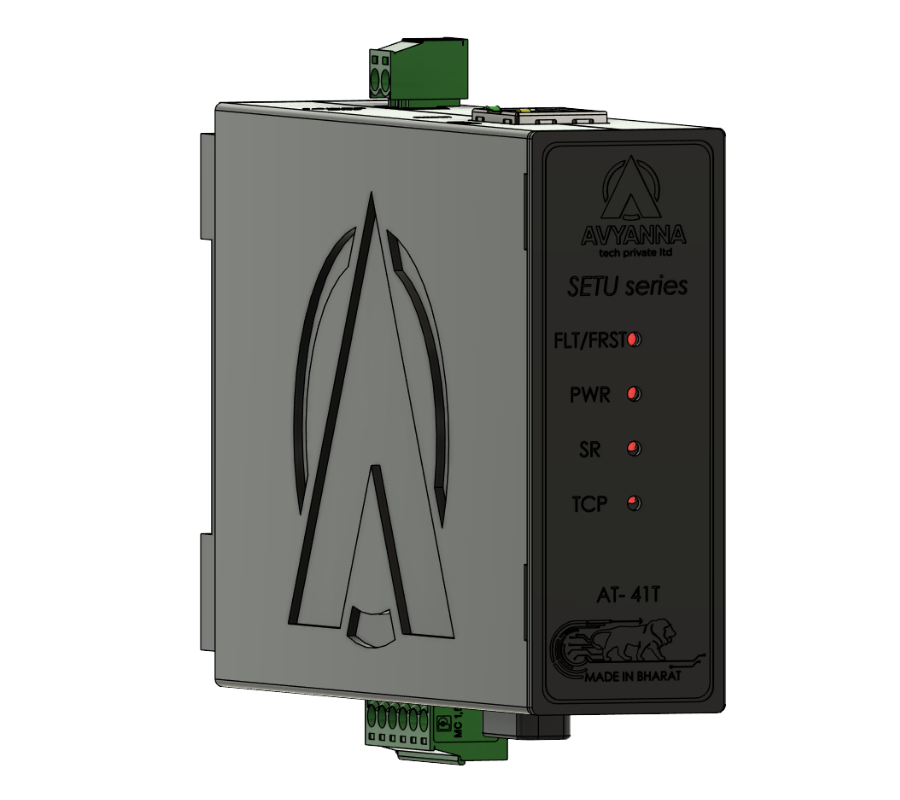
In today’s industrial and automation-driven environments, legacy serial devices still play a critical role in operations – from PLCs and sensors to meters and controllers. To connect these devices to modern Ethernet networks, engineers often choose between a Serial Device Server and a Terminal Server. While they may sound similar, they serve very different purposes.
Understanding the difference helps system integrators, OEMs, and plant engineers choose the right solution for reliability, scalability, and performance.
What Is a Serial Device Server?
A Serial Device Server converts serial communication (RS-232/422/485) into Ethernet, allowing serial devices to communicate seamlessly over IP networks. It works transparently, meaning the serial device behaves as if it is directly connected, even though data is traveling over a network.
Key Characteristics
- Transparent serial-to-Ethernet communication
- Supports industrial protocols and automation systems
- Designed for harsh industrial environments
- Enables remote monitoring and control
This makes a Serial Device Server ideal for industrial automation, SCADA systems, energy monitoring, and factory networking.
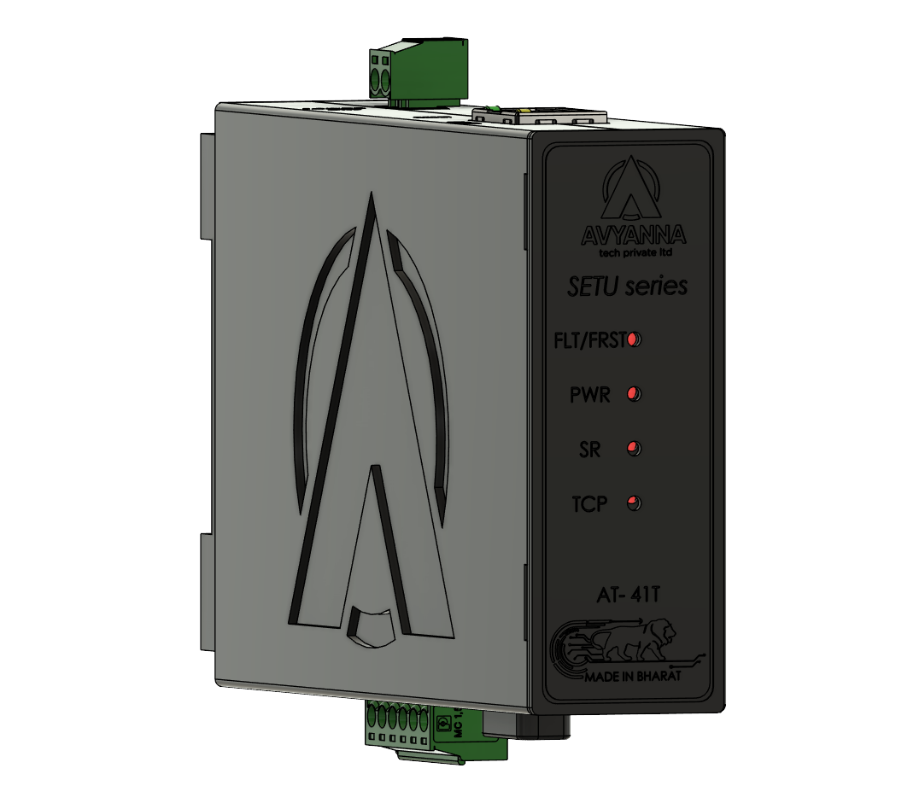
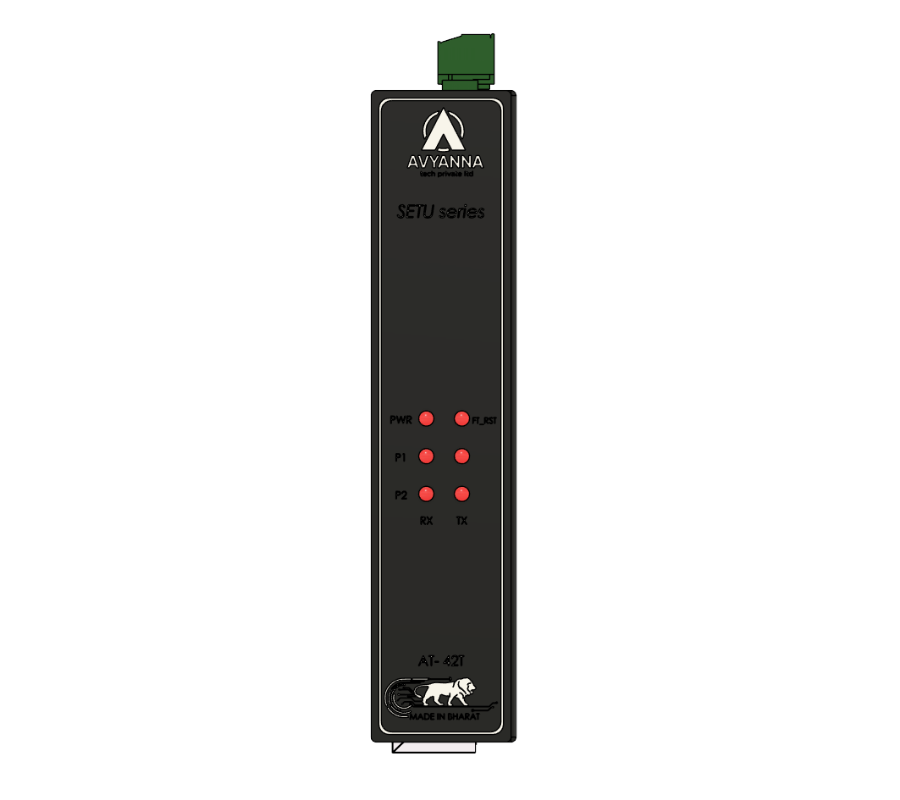
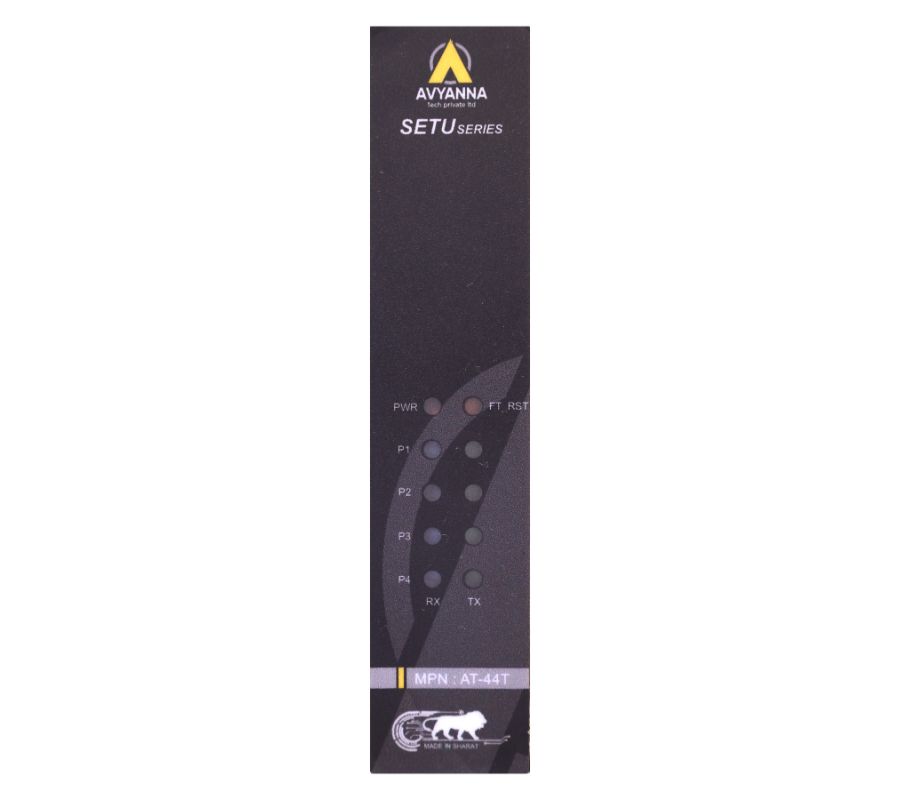
Example: Avyanna Tech’s SETU Series Serial Device Servers are built for stable, continuous data communication in industrial conditions.
What Is a Terminal Server?
A Terminal Server is primarily used to provide remote console access to serial devices. Instead of focusing on transparent data transfer, it allows engineers to log into devices remotely for configuration, diagnostics, and maintenance.
Key Characteristics
- Used for remote access and troubleshooting
- Provides command-line or console-based access
- Common in IT infrastructure and data centers
- Less focused on real-time industrial data flow
Terminal Servers are widely used for network device management, such as routers, switches, and servers.
Serial Device Server vs. Terminal Server: Key Differences
| Feature | Serial Device Server | Terminal Server |
| Primary purpose | Transparent data communication | Remote device access |
| Use case | Industrial automation & control | IT & network management |
| Data handling | Continues, real-time | Session-based |
| Integration | PLCs, SCADA, HMIs | Routers, switches |
| Industrial suitability | High | Limited |
| Automation readiness | Excellent | Minimal |
When Should You Use a Serial Device Server?
Choose a Serial Device Server when:
- You need continuous data flow from serial devices
- Devices must integrate with SCADA or automation software
- Remote monitoring is required without manual intervention
- Reliability and uptime are critical
Industries like manufacturing, power plants, water treatment, and transportation rely heavily on Serial Device Servers for stable and scalable communication.
When Is a Terminal Server the Right Choice?
A Terminal Server is suitable when:
- You need remote configuration or troubleshooting
- Devices are managed occasionally, not continuously
- Applications are IT-focused rather than automation-driven
Why Serial Device Servers Dominate Industrial Applications
As industries move toward Industry 4.0 and smart factories, the demand for transparent, always-on communication is increasing. A Serial Device Server ensures legacy serial devices remain relevant by integrating them into modern Ethernet-based systems without compromising reliability.
This is why industrial users increasingly prefer purpose-built solutions like Avyanna Tech’s Transparent Serial Device Servers, designed to handle real-world industrial communication challenges.
Explore Avyanna Tech’s Serial Device Server solutions:
Conclusion
While both devices connect serial equipment to networks, the difference lies in how and why they are used. A Terminal Server focuses on remote access, whereas a Serial Device Server enables continuous, transparent communication essential for industrial automation.
Choosing the right solution ensures better performance, fewer communication issues, and long-term system stability, especially in demanding industrial environments.
[email protected]