Why Manufacturing Plants Are Switching to Remote I/O Modules
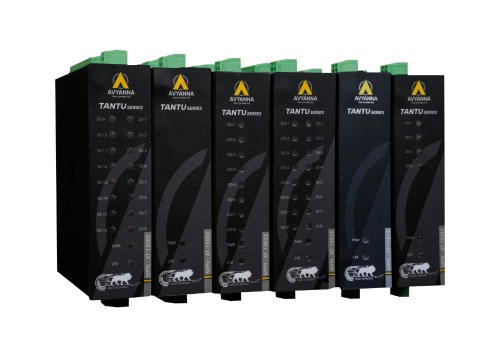
Best Choose Input Output Module for Manufacturing Plants
In today’s fast-evolving industrial landscape, manufacturing plants are under constant pressure to improve efficiency, reduce downtime, and adopt smarter automation systems. One technology driving this transformation is the input output module, especially in the form of advanced remote I/O modules.
From automotive factories to process industries, businesses are rapidly moving away from traditional wiring systems and embracing flexible, scalable automation solutions. Let’s explore why this shift is happening and how it benefits modern manufacturing.
What is an Input Output Module in Industrial Automation?
An input output module acts as a bridge between field devices (like sensors and actuators) and control systems such as PLCs. It collects real-time data (inputs) and sends commands (outputs), enabling machines to operate efficiently.
With the evolution of automation, the remote I/O module has taken this concept further by allowing communication over networks like Ethernet and Modbus, eliminating the need for excessive wiring.
Why Manufacturing Plants Are Switching to Remote I/O Modules
1. Reduced Wiring Complexity and Installation Cost
Traditional systems require extensive wiring from field devices to control panels, increasing both cost and installation time.
With a remote I/O module, devices can be connected locally and communicate over a network. This significantly:
- Reduces cable length
- Minimizes installation errors
- Lowers maintenance costs
2. Faster and Scalable Automation
Modern factories demand flexibility. Expanding a production line shouldn’t require redesigning the entire control system.
Remote I/O systems allow:
- Easy addition of new modules
- Quick system expansion
- Seamless integration with existing PLCs
This scalability is a key reason why industries prefer solutions from leading remote I/O manufacturers in India like Avyanna Tech.
3. Improved System Reliability and Uptime
Downtime can cost manufacturers heavily. Remote I/O modules improve system reliability through:
- Distributed architecture (no single failure point)
- Real-time monitoring
- Faster fault detection
Many advanced systems also include galvanic isolation and robust industrial-grade design, ensuring stable performance even in harsh environments.
4. Real-Time Data and Smart Monitoring
With Industry 4.0 and IIoT adoption, data is everything.
A modern input output module enables:
- Real-time data collection
- Remote diagnostics
- Integration with SCADA and cloud systems
This helps manufacturers make data-driven decisions and optimize production processes.
5. Seamless Integration with Industrial Protocols
Today’s automation systems rely on communication protocols like Modbus RTU/TCP, Ethernet/IP, and more.
Remote I/O modules are designed to support these protocols, making them compatible with:
- Existing control systems
- PLCs and HMIs
- Industrial networks
This ensures smooth integration without major infrastructure changes.
6. Space Optimization in Control Panels
Control panel space is often limited in industrial environments.
By using a remote I/O module, manufacturers can:
- Reduce panel size
- Distribute modules across the plant
- Optimize system layout
This leads to better space utilization and cleaner system design.
Why Choose a Trusted IO Module Manufacturer
Selecting the right IO Module Manufacturer is crucial for long-term performance and reliability.
At Avyanna Tech, we provide advanced remote I/O modules designed for:
- High performance in industrial environments
- Easy integration with existing systems
- Long-term durability and safety
Our solutions, including Ethernet and Serial remote I/O modules, are built to meet the growing demands of smart manufacturing.
The Future of Manufacturing with Remote I/O
As industries move toward smart factories and digital transformation, remote I/O modules are becoming a core component of automation systems.
They not only simplify operations but also:
- Enable predictive maintenance
- Support IoT integration
- Improve overall plant efficiency
Manufacturing plants that adopt these technologies today are better prepared for the future.
Conclusion
The shift toward remote I/O modules is not just a trend; it’s a necessity for modern manufacturing. By reducing wiring, improving scalability, and enabling real-time data monitoring, the input output module plays a critical role in building efficient and future-ready factories.
If you’re looking to upgrade your automation system, partnering with a reliable remote I/O manufacturer in India like Avyanna Tech can make all the difference.


[email protected]