5 Signs Your Facility Needs a Serial Device Server Upgrade
5 Signs You Need a Serial Device Server Upgrade
In today’s connected industrial environment, reliable communication between legacy equipment and modern networks is no longer optional; it’s essential. If your facility still relies on older communication infrastructure, your Serial device server may be silently limiting performance, security, and scalability.
From manufacturing plants in Pune to process industries across India, businesses are modernizing operations to improve uptime and efficiency. But outdated serial communication systems can quickly become a bottleneck. If you’re experiencing connectivity issues, security concerns, or integration challenges, it may be time to consider an upgrade.
Here are five clear signs that your facility needs a new serial device server, and why acting now can improve productivity, reliability, and future readiness.
What Is a Serial Device Server?
A serial device server is a networking device that connects serial-based equipment – such as PLCs, CNC machines, barcode scanners, and industrial controllers to an Ethernet or IP network. It allows legacy serial devices to communicate seamlessly with modern systems, software, and remote operators.
In industries where older equipment still performs critical tasks, a serial device server acts as a bridge between the past and the future.
1. Frequent Communication Failures Are Disrupting Operations
If your machines regularly lose connection, experience data delays, or require manual resets, your current setup may be struggling to keep up.
Common warning signs:
- Intermittent device disconnections
- Data packet loss
- Slow response times
- Unplanned communication downtime
These issues can lead to:
- Production delays
- Inaccurate data collection
- Reduced equipment efficiency
- Increased maintenance interventions
A modern serial device server offers stable, high-speed communication, ensuring uninterrupted data flow between devices and your network.
2. Your Existing System Lacks Modern Security Features
Cybersecurity is no longer just an IT concern; it’s a plant-floor priority. Older serial communication systems often lack the security features needed to protect industrial networks from unauthorized access and cyber threats.
Risks of outdated systems:
- Unencrypted data transmission
- Weak authentication controls
- Limited access management
- Vulnerability to network intrusions
A new-generation serial device server typically includes:
- Secure remote access
- User authentication controls
- Encrypted communication protocols
- Network access restrictions
For facilities adopting Industry 4.0 practices, security is absolutely non-negotiable.
3. Scaling Your Operations Has Become Difficult
As your facility grows, your communication infrastructure should grow with it. If adding new devices or integrating additional equipment feels complicated, your existing solution may be holding you back.
You may notice:
- Limited port capacity
- Compatibility issues with newer devices
- Complex installation processes
- Higher deployment costs
An upgraded serial device server provides:
- Flexible port options
- Easy integration with multiple protocols
- Simplified deployment
- Better scalability for future expansion
This is especially important for growing manufacturing hubs like Pune, where automation demands continue to rise.
4. Remote Monitoring and Management Are Limited
Modern facilities require real-time visibility and remote access. If your team cannot monitor or troubleshoot equipment remotely, you’re likely losing valuable time and resources.
Challenges of limited remote access:
- Delayed issue resolution
- Increased on-site service visits
- Longer downtime
- Higher operational costs
A modern serial device server enables:
- Remote configuration
- Centralized device management
- Real-time monitoring
- Faster diagnostics and troubleshooting
This capability is particularly valuable for facilities with multiple locations or distributed operations.
5. Integration with Modern Systems Is Becoming a Challenge
Legacy serial devices remain critical in many industrial environments. However, older communication hardware often struggles to integrate with modern systems such as:
- SCADA platforms
- MES software
- Cloud-based monitoring tools
- Industrial IoT applications
If data from your equipment cannot be easily shared across systems, you may be missing opportunities for:
- Predictive maintenance
- Process optimization
- Better decision-making
- Improved operational visibility
An advanced serial device server supports seamless integration, helping your facility transition toward smarter, more connected operations.
Why Upgrading Matters Now
Delaying an upgrade can lead to increasing costs over time. Outdated communication infrastructure often results in:
- More frequent failures
- Higher maintenance expenses
- Security vulnerabilities
- Reduced operational agility
By upgrading your serial device server, you can achieve:
- Improved reliability
- Enhanced security
- Easier scalability
- Better system integration
- Reduced downtime
In a competitive industrial landscape, these benefits can directly impact profitability and long-term growth.
How to Choose the Right Serial Device Server
When evaluating options, look for these essential features:
- Multiple serial port configurations
- Support for RS-232, RS-422, and RS-485
- Secure remote management
- Industrial-grade durability
- Wide operating temperature range
- Protocol conversion capabilities
- Easy integration with existing systems
Choosing the right solution ensures maximum return on investment and long-term operational reliability.
Why Avyanna Tech Is the Right Partner
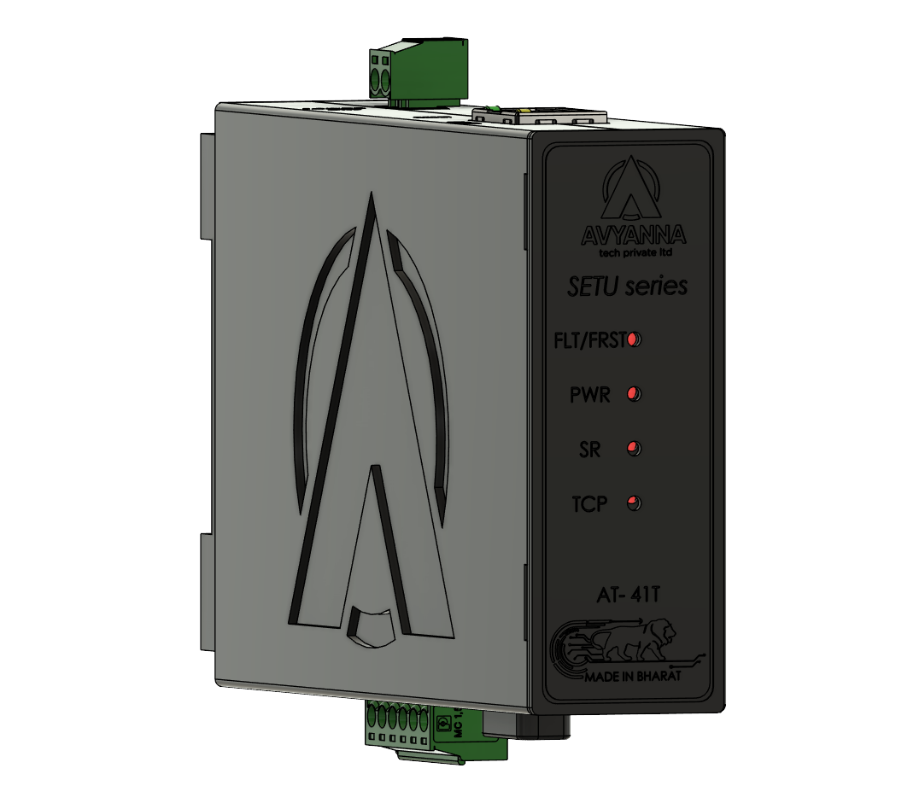
Avyanna Tech offers advanced serial connectivity solutions designed for modern industrial environments. Their transparent serial device server solutions help businesses bridge legacy equipment with today’s networked infrastructure.
With robust performance, secure communication, and seamless integration capabilities, Avyanna Tech enables facilities to modernize without replacing critical legacy equipment.
Explore their solution here:
Frequently Asked Questions
What does a serial device server do?
A serial device server connects serial-based equipment to Ethernet networks, enabling communication between legacy devices and modern systems.
When should I upgrade my serial device server?
You should upgrade when you experience frequent connectivity issues, security concerns, scalability limitations, or integration challenges.
Can a serial device server work with older industrial equipment?
Yes. It is specifically designed to connect legacy serial devices such as PLCs, CNC machines, and industrial controllers to modern networks.
What industries benefit from serial device servers?
Manufacturing, automation, pharmaceuticals, utilities, logistics, and process industries all benefit from improved connectivity and control.
Is remote monitoring possible with modern serial device servers?
Absolutely. Modern solutions support remote access, monitoring, configuration, and troubleshooting.
Conclusion
Your communication infrastructure plays a critical role in operational efficiency. If your current serial device server is causing downtime, limiting scalability, or exposing your network to security risks, upgrading is a smart investment.
A modern serial device server can improve reliability, strengthen cybersecurity, and prepare your facility for future growth.
Ready to modernize your industrial communication network? Discover how Avyanna Tech can help you connect legacy systems with modern performance. Contact us today and take the next step toward smarter operations.

[email protected]