
How Industrial Gateway Servers Improve Factory Connectivity
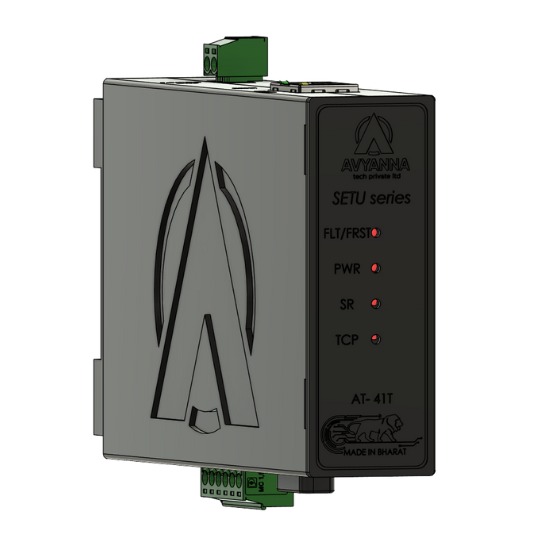
Industrial Gateway Server for Factory Connectivity
Modern factories depend on seamless communication between machines, controllers, sensors, and monitoring systems. However, many industrial facilities still operate with a mix of legacy serial devices and modern Ethernet-based networks. This communication gap often creates challenges in data sharing, monitoring, and system integration.
An industrial gateway server helps solve this problem by acting as a bridge between different communication protocols and network infrastructures. Whether connecting Modbus RTU devices to Modbus TCP systems or integrating older serial equipment into modern industrial networks, gateway servers play a critical role in improving factory connectivity.
In this article, we’ll explore how industrial gateway servers work, why they are essential for modern manufacturing, and how Modbus gateways help industries build more connected and efficient operations.
What Is an Industrial Gateway Server?
An industrial gateway server is a communication device that enables data exchange between different industrial networks, protocols, or communication standards.
Factories often use equipment from different generations. Some devices communicate through RS-232, RS-422, or RS-485 serial interfaces, while newer systems rely on Ethernet-based communication. Without a gateway, these devices may not be able to communicate effectively.
Industrial gateway servers simplify this process by translating and routing data between different systems, allowing machines and software platforms to work together seamlessly.
Why Factory Connectivity Matters
Today’s manufacturing environments generate large volumes of operational data. For businesses to take advantage of automation, monitoring, and analytics, this data must flow smoothly between devices and systems.
Poor connectivity can lead to:
- Delayed access to production data
- Communication errors between devices
- Difficulties integrating new equipment
- Increased maintenance complexity
- Reduced operational visibility
By improving connectivity, manufacturers can create more efficient and responsive operations.
The Role of Modbus in Industrial Communication
Modbus remains one of the most widely used communication protocols in industrial automation. It is commonly found in:
- PLCs
- HMIs
- Energy meters
- Sensors
- Process control systems
- Building management systems
However, many existing devices use Modbus RTU or Modbus ASCII over serial communication, while modern industrial networks increasingly use Modbus TCP over Ethernet.
This is where a Modbus gateway becomes valuable.
A Modbus gateway enables communication between Modbus TCP and Modbus RTU/ASCII networks, helping organizations connect existing devices with modern control systems.
How Industrial Gateway Servers Improve Factory Connectivity
Bridging Legacy and Modern Systems
One of the biggest challenges in industrial automation is integrating older equipment with new technologies.
Many factories have invested heavily in serial-based devices that continue to operate reliably. Replacing these systems can be expensive and disruptive.
An industrial gateway server allows manufacturers to retain their existing equipment while connecting it to Ethernet-based infrastructure. This extends the life of legacy assets while supporting modernization initiatives.
Enabling Centralized Monitoring
When devices are connected through a gateway, operational data becomes more accessible.
Instead of monitoring equipment individually, engineers can collect information from multiple devices through centralized SCADA or industrial monitoring platforms.
This improves visibility into:
- Production processes
- Equipment performance
- System status
- Operational efficiency
Centralized monitoring can help teams identify issues faster and make informed decisions.
Supporting Industrial Network Expansion
As factories grow, communication networks become more complex.
Industrial gateway servers help organizations scale by enabling additional devices to communicate within existing network infrastructure.
This flexibility is especially important for facilities implementing:
- Smart manufacturing initiatives
- Industry 4.0 strategies
- Remote monitoring systems
- Predictive maintenance programs
Improving Communication Reliability
Industrial environments often expose communication systems to electrical noise and challenging operating conditions.
Reliable data transmission is essential for maintaining process stability and operational continuity.
Industrial-grade gateway solutions are designed specifically for these environments and include protective features that help support dependable communication.
Key Features to Look for in a Modbus Gateway
Choosing the right gateway is important for long-term performance and compatibility.
Some key considerations include:
Protocol Integration: The gateway should support communication between Modbus TCP and Modbus RTU/ASCII networks.
Multiple Serial Interface Support: Industrial facilities may use different serial standards. Support for: RS-232, RS-422, RS-485 (2-wire), RS-485 (4-wire) provides greater deployment flexibility.
Ethernet Connectivity: A built-in Ethernet port enables integration with modern industrial networks.
Device Protection: Industrial environments require communication devices that can withstand electrical disturbances and maintain reliable operation.
Avyanna Tech SETU Series Modbus Gateways
Avyanna Tech Modbus Gateway Solutions
The SETU Series from Avyanna Tech is designed to support communication between Modbus serial devices and TCP/IP-based systems.
These Modbus gateways are bi-directional communication devices that help integrate new and existing Modbus RTU and Modbus ASCII serial devices with modern network environments.
Available models include:
AT-41M – 1-Port RS-232/422/485 Modbus Gateway
Features include:
- 1 x 10/100 Mbps Ethernet port
- Integration of Modbus TCP and Modbus RTU/ASCII networks
- Software-selectable RS-232/422/485 communication
- Support for up to 10 connections per serial port under Modbus client mode
- Built-in 8-kV ESD protection for all serial signals
AT-42M – 2-Port RS-232/422/485 Modbus Gateway
Designed for applications requiring multiple serial connections, with:
- 1 x 10/100 Mbps Ethernet port
- Modbus TCP and RTU/ASCII integration
- Software-selectable serial communication modes
- Up to 10 connections per serial port under Modbus client mode
- Built-in 8-kV ESD protection
AT-44M – 4-Port RS-232/422/485 Modbus Gateway
Suitable for larger industrial communication networks, featuring:
- 1 x 10/100 Mbps Ethernet port
- Modbus TCP and Modbus RTU/ASCII integration
- Flexible serial communication selection
- Support for multiple client connections
- Built-in 8-kV ESD protection
Industries That Benefit from Industrial Gateway Servers
Industrial gateway servers are widely used across multiple sectors, including:
- Manufacturing: Connect production equipment and monitoring systems.
- Process Industries: Enable communication between controllers and field devices.
- Energy Management: Integrate meters and monitoring systems into centralized platforms.
- Building Automation: Connect HVAC, lighting, and control systems.
- Water and Wastewater Facilities: Support communication between sensors, PLCs, and SCADA systems.
Future-Proofing Industrial Communication
As factories continue to adopt digital technologies, connectivity becomes increasingly important. Businesses need solutions that allow them to modernize operations without replacing every existing device.
An industrial gateway server provides a practical path toward digital transformation by enabling communication between different protocols and networks.
For organizations looking to improve factory connectivity, enhance visibility, and support future automation initiatives, gateway servers remain a critical component of industrial communication infrastructure.
FAQs
1. What is an industrial gateway server?
An industrial gateway server connects devices using different communication protocols or network standards, enabling seamless data exchange across industrial systems.
2. What does a Modbus gateway do?
A Modbus gateway integrates Modbus TCP networks with Modbus RTU or Modbus ASCII serial devices, allowing communication between Ethernet and serial-based systems.
3. Why are industrial gateway servers important?
They improve connectivity, support legacy equipment integration, enable centralized monitoring, and simplify industrial network expansion.
4. What serial communication standards do Modbus gateways support?
Depending on the model, support may include RS-232, RS-422, RS-485 2-wire, and RS-485 4-wire communication.
5. Which industries use Modbus gateways?
Manufacturing, energy management, process industries, building automation, and water treatment facilities commonly use Modbus gateway solutions.
Conclusion
Reliable communication is the foundation of efficient industrial operations. As factories continue to combine legacy equipment with modern automation systems, the need for seamless connectivity becomes increasingly important.
An industrial gateway server helps bridge communication gaps, enabling data exchange between serial devices and Ethernet-based networks. By integrating Modbus TCP and Modbus RTU/ASCII systems, a Modbus gateway supports smarter monitoring, improved operational visibility, and easier network expansion.
The SETU Series Modbus Gateways from Avyanna Tech provide a practical solution for industries seeking reliable protocol integration and factory connectivity.
Looking to modernize your industrial communication network? Explore Avyanna Tech’s Modbus Gateway solutions and find the right gateway for your automation requirements.



[email protected]