
How Industrial Gateway Servers Simplify Multi-Vendor Automation Systems
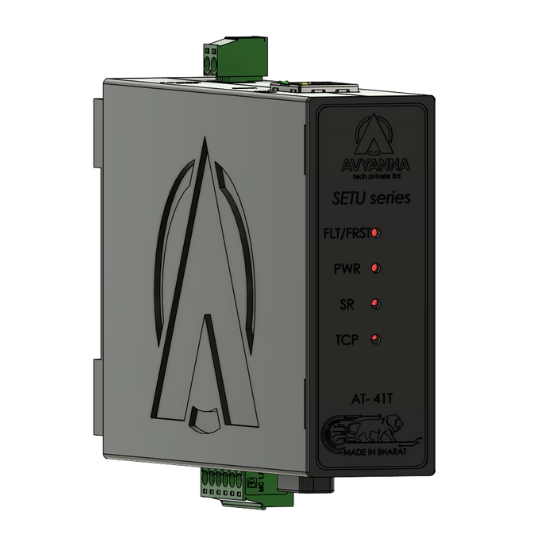
Industrial Gateway Server: Simplify Multi-Vendor Automation
Walk onto almost any factory floor today and you’ll find equipment from a dozen different manufacturers running side by side – older PLCs, newer SCADA platforms, energy meters, and sensors that were never designed to talk to each other. This is exactly the kind of situation where an industrial gateway server earns its keep.
Multi-vendor environments aren’t going away. Plants add equipment over the years based on budget, availability, and changing needs, not on a single unified protocol. The result is a mix of Modbus RTU serial devices and Ethernet-based Modbus TCP systems that need a reliable way to communicate.
In this article, we’ll look at why multi-vendor automation creates connectivity headaches, and how a well-built Modbus gateway solves the problem without forcing you to rip out and replace working equipment.
The Real Challenge of Multi-Vendor Automation
Every plant reaches a point where legacy serial devices and modern Ethernet-based systems need to coexist. A pump controller running Modbus RTU might need to feed data into a SCADA system that only speaks Modbus TCP.
Without a proper bridge between the two, engineers end up with blind spots – data that exists on the floor but never makes it to the control room. This is where an industrial modbus gateway becomes essential, translating between serial and Ethernet networks so every device stays visible.
What an Industrial Gateway Server Actually Does
At its core, a Modbus gateway acts as a translator between serial Modbus RTU/ASCII devices and Ethernet-based Modbus TCP networks. It takes signals from older serial equipment and converts them into a format that modern SCADA, PLC, and EMS systems can read, and vice versa.
This bi-directional communication means you don’t have to choose between keeping your existing serial devices or upgrading to Ethernet-based infrastructure – the gateway lets both worlds work together.
For system integrators managing mixed environments, this single function often eliminates the need for custom middleware or expensive re-engineering of the entire control architecture.
Why Transparent Communication Matters
One of the most overlooked risks in multi-vendor setups is data getting altered or misread as it passes between systems. A gateway built for true transparent serial-to-Ethernet communication ensures legacy equipment communicates over IP exactly as intended, with no protocol conversion errors or data manipulation along the way.
This matters most in applications like PLC-SCADA communication, where even small data inconsistencies can throw off control logic or trigger false alarms. A transparent gateway keeps the data flow fast, accurate, and uninterrupted.
Handling Complex Architectures with Flexible Port Configuration
Not every plant has the same setup. Some need a single serial line bridged to Ethernet; others are managing multiple production lines with different device groups.
This is why gateways like Avyanna’s SETU Series come in 1-port, 2-port, and 4-port configurations (AT-41M, AT-42M, and AT-44M), letting each serial port be configured independently as a Modbus RTU/ASCII client or server. That flexibility makes it possible to design an architecture that actually matches how your plant is laid out, rather than forcing your equipment to fit a rigid one-size-fits-all gateway.
Supporting Multiple Systems at Once
In many facilities, more than one system needs access to the same field data – a SCADA system for operators, a redundant backup system, and perhaps an energy monitoring platform, all pulling from the same serial devices.
An industrial gateway server that supports multiple simultaneous connections per serial port makes this kind of parallel monitoring possible, which is especially useful for SCADA redundancy and multi-system integration in larger facilities.
Built to Survive Real Factory Conditions
Multi-vendor automation setups often live in tough environments – near motors, in outdoor cabinets, or in areas with constant vibration and electrical noise. A gateway with a rugged metal enclosure, DIN-rail mounting, and strong ESD and reverse-voltage protection is built specifically to hold up under these conditions.
Isolation on the Ethernet side, along with a wide DC input range, also helps protect connected systems from voltage fluctuations and electrical disturbances that are common in industrial power environments.
Real-World Applications Across Industries
Industrial gateway servers show up in more places than most people realize:
- Factory automation, connecting older serial-based machine controllers to a central Ethernet network.
- Power and energy monitoring, where meters using Modbus RTU need to feed data into TCP-based energy management systems.
- HVAC and building management, integrating serial sensors and controllers into modern building automation platforms.
- Water treatment and pump control, where field devices are often spread across large sites and need centralized visibility.
- Utility metering and Industrial IoT gateways, bridging legacy metering hardware with cloud or IIoT platforms.
In each case, the gateway’s job is the same – make sure data from every device, regardless of who manufactured it, reaches the systems that need it.
Easy Deployment Without a Steep Learning Curve
A gateway is only useful if your team can actually configure and maintain it. Setup through a web interface or a Windows configuration utility, combined with standard Modbus TCP/IP support, means engineers can deploy and manage the system without needing specialized training.
This kind of straightforward setup matters a lot for system integrators working across multiple client sites, where every extra hour spent on configuration adds to project cost.
Why Choose Avyanna Tech
Avyanna Tech‘s SETU Series Modbus gateways are purpose-built for exactly these multi-vendor challenges. Available in 1-port (AT-41M), 2-port (AT-42M), and 4-port (AT-44M) configurations, the SETU gateway integrates Modbus TCP with Modbus RTU/ASCII seamlessly, giving you the flexibility to bridge serial and Ethernet networks in one device.
Each serial port can be independently set as a Modbus RTU/ASCII client or server, and supports multiple simultaneous connections under client mode – ideal for SCADA redundancy and parallel system monitoring. With software-selectable RS-232/422/485 support, built-in termination and pull-up/pull-down resistors, and standard networking protocols like TCP/IP, HTTP, and DHCP, the SETU gateway adapts to a wide range of industrial architectures.
Built with an IP54-rated metal enclosure, DIN-rail mounting, ESD and reverse-voltage protection, and isolation on the Ethernet side, the SETU industrial gateway server is engineered for electrically noisy, vibration-prone, and harsh industrial conditions – with a wide operating temperature range and compatibility with Windows 10/11 configuration tools.
Conclusion
Multi-vendor automation isn’t a problem you solve by replacing every device on your floor – it’s a problem you solve by giving all your equipment a common language. A dependable industrial gateway server does exactly that, bridging serial and Ethernet-based systems without disrupting what’s already working.
If your plant is dealing with a mix of Modbus RTU devices and modern Ethernet infrastructure, explore Avyanna Tech’s SETU Modbus Gateway range and find the right port configuration for your setup.
Frequently Asked Questions
1. What is an industrial gateway server used for?
An industrial gateway server bridges serial Modbus RTU/ASCII devices with Ethernet-based Modbus TCP networks, allowing legacy and modern equipment from different vendors to communicate on the same system.
2. How does a Modbus gateway help with multi-vendor automation?
It translates data between serial and Ethernet-based devices without altering it, so equipment from different manufacturers and protocol generations can share data with a single SCADA or PLC system.
3. Can one Modbus gateway support multiple devices at once?
Yes. Gateways like Avyanna’s SETU Series support several simultaneous connections per serial port under Modbus client mode, which supports SCADA redundancy and parallel monitoring across multiple systems.
4. What industries use industrial Modbus gateways?
Common applications include factory automation, power and energy monitoring, HVAC and building management, water treatment, utility metering, and Industrial IoT platforms.
5. Is a Modbus gateway difficult to configure?
No. Gateways with web-based configuration and a Windows setup utility, along with standard Modbus TCP/IP support, are designed for quick deployment without specialized technical training.


[email protected]