How to Evaluate an IO Module Manufacturer Before Choosing Industrial I/O Hardware
How to Evaluate an IO Module Manufacturer
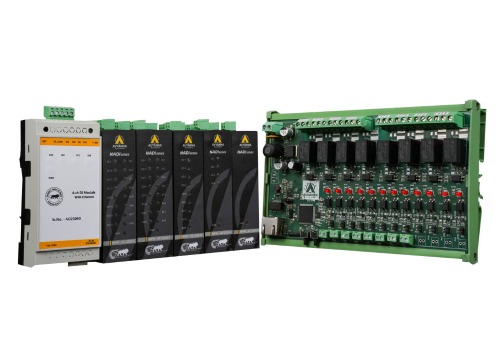
Choosing an IO Module Manufacturer is a decision that outlasts the initial purchase order by years – a remote i/o module or input output module installed today will likely still be running a decade from now, and the manufacturer behind it determines whether replacement parts, technical support, and firmware updates are still available when you need them. Two manufacturers can offer input output modules with nearly identical specifications on paper, yet differ significantly in build quality, long-term reliability, and the support available after the sale.
Evaluating a manufacturer properly means looking past the spec sheet and price quote to assess manufacturing quality, testing standards, certification compliance, and the practical realities of long-term support – factors that only become apparent well after the initial purchase if they aren’t checked beforehand.
This guide walks through exactly how to evaluate an IO module manufacturer before committing to remote I/O module or input output module hardware for an industrial automation project.
Why Manufacturer Evaluation Matters Beyond the Spec Sheet
Two remote I/O modules can list identical I/O point counts, protocol support, and operating temperature ranges, yet perform very differently in the field. The difference often comes down to component quality, manufacturing consistency, and testing rigor – factors that don’t appear on a typical spec sheet but directly affect failure rates, calibration drift, and long-term reliability. Evaluating the manufacturer, not just the product specifications, is what actually predicts how well the hardware performs over years of continuous industrial use.
Key Criteria for Evaluating an IO Module Manufacturer
1. Manufacturing Quality Control Processes
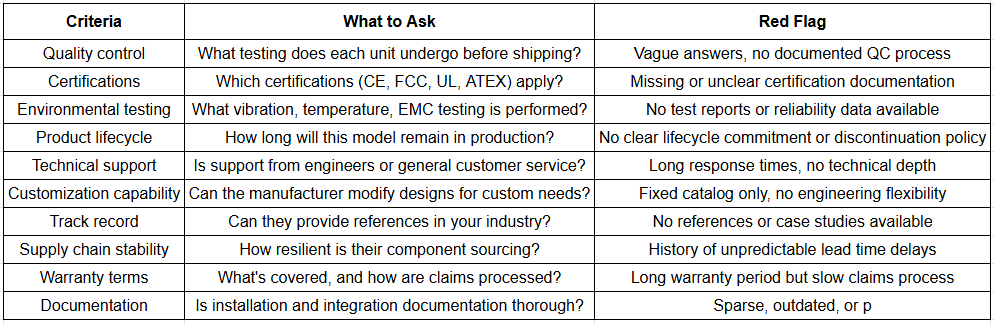
Ask about the manufacturer’s quality control process – what testing each input output module undergoes before shipping, whether components are sourced from certified suppliers, and what quality standards (such as ISO 9001) govern their production process. Manufacturers with documented, consistent QC processes typically show lower field failure rates than those relying on spot-checking or minimal testing.
2. Product Certifications
Verify relevant certifications for your industry and region – CE and FCC at minimum, with additional certifications like UL, ATEX (for hazardous areas), or industry-specific approvals depending on your application. A manufacturer’s certification portfolio indicates both the testing rigor applied to their products and the range of environments their hardware is actually validated for.
3. Environmental and Reliability Testing
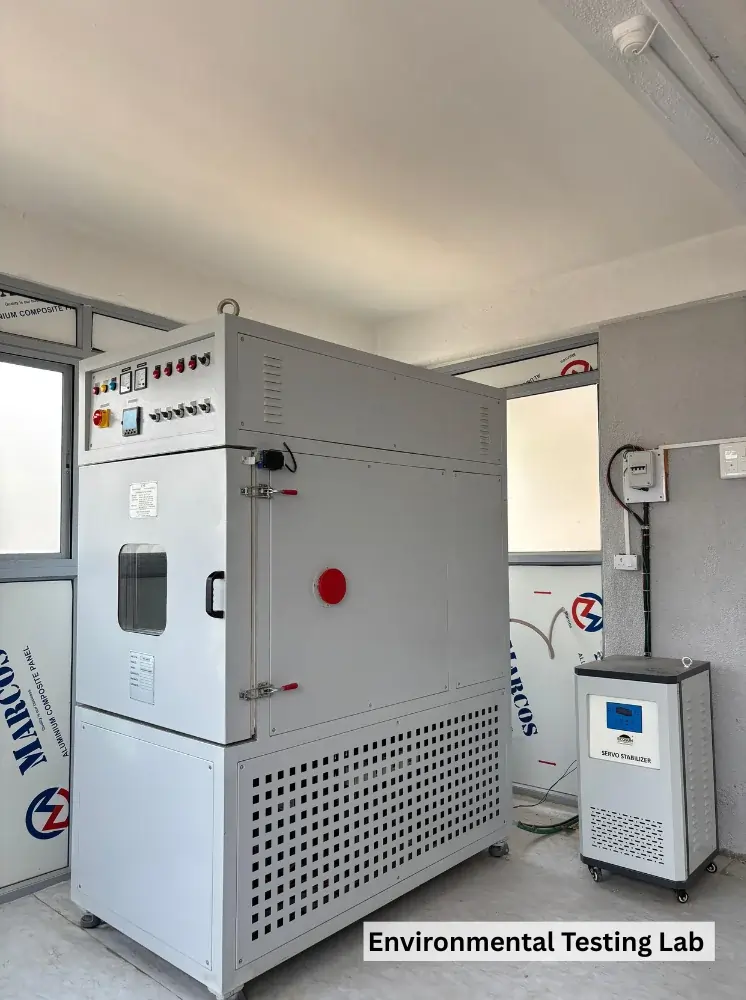
Ask what environmental testing the manufacturer performs on their remote I/O module products – vibration testing, temperature cycling, humidity exposure, and electromagnetic compatibility (EMC) testing are common industrial validation steps. Manufacturers that publish detailed test reports or MTBF (mean time between failures) data provide more concrete reliability evidence than those offering only general durability claims.
4. Product Lifecycle and Long-Term Availability Commitment
Ask directly how long the manufacturer commits to keeping a specific input output module model in production, and what their policy is for notifying customers ahead of discontinuation. Industrial automation systems often run for a decade or more, and a manufacturer with short, unpredictable product lifecycles creates real sourcing risk for future replacement parts.
5. Technical Support Structure
Evaluate what technical support actually looks like in practice – is it a call center reading from a script, or direct access to engineers familiar with the specific product line? For complex integration projects involving custom I/O configurations or protocol troubleshooting, the depth of available technical support can significantly affect project timelines.
6. Customization and Engineering Capability
If your application requires non-standard I/O configurations, custom firmware, or specific protocol adaptations, confirm the manufacturer has genuine in-house engineering capability to accommodate these requests, rather than simply reselling a fixed catalog with no ability to modify designs.
7. Track Record and References
Ask for references or case studies from facilities with similar applications to your own – a manufacturer with proven deployments in your specific industry (water treatment, manufacturing, oil and gas, etc.) is more likely to understand the practical requirements your project demands.
8. Supply Chain Stability
Ask about the manufacturer’s component sourcing and supply chain resilience, particularly relevant given how supply chain disruptions in recent years have affected lead times across the electronics industry. A manufacturer with diversified, stable component sourcing is less likely to leave you facing unpredictable delays on future orders.
9. Warranty Terms and Claims Process
Compare warranty length and, just as importantly, how straightforward the claims process actually is. A longer warranty period backed by a slow, bureaucratic claims process provides less practical value than a shorter warranty with fast, responsive resolution.
10. Documentation Quality
Review sample documentation – installation guides, wiring diagrams, protocol integration manuals – before purchase. Thorough, clear documentation significantly reduces integration time and troubleshooting effort compared to sparse or poorly organized technical materials.
IO Module Manufacturer Evaluation Checklist
Questions to Ask Before Choosing an IO Module Manufacturer
- What quality control testing does each remote I/O module undergo before it ships?
- Which certifications does this specific input output module hold, and are they valid for my region and industry?
- How long has this product line been in production, and what’s the plan for future availability?
- Can I speak directly with an engineer if I run into a technical integration issue?
- Do you have customers in my industry I could reference for a similar deployment?
- What’s your typical lead time, and how has that changed over the past few years?
- What does your warranty actually cover, and what’s the process for filing a claim?
Common Mistakes When Evaluating an IO Module Manufacturer
- Comparing only price and headline specifications, without asking about quality control, testing, or certification depth
- Assuming all “industrial-grade” claims are equally rigorous, without requesting supporting test data or documentation
- Overlooking long-term availability, focusing only on the immediate purchase rather than future replacement sourcing
- Underestimating the value of local support, particularly for facilities that may need fast troubleshooting or replacement parts
- Not requesting references, missing the opportunity to learn from another facility’s real-world experience with the manufacturer
Frequently Asked Questions
What should I look for in an IO module manufacturer? Look for documented quality control processes, relevant certifications (CE, FCC, UL, ATEX where applicable), environmental and reliability testing data, a clear product lifecycle commitment, responsive engineering-level technical support, and a track record of references in your specific industry.
Why does manufacturer evaluation matter more than just comparing specifications? Two remote I/O modules can list identical specifications on paper but differ significantly in real-world reliability due to differences in component quality, manufacturing consistency, and testing rigor – factors that only become apparent through direct evaluation of the manufacturer’s processes, not the spec sheet alone.
How do I verify an IO module manufacturer’s quality claims? Ask directly about their quality control testing process, request environmental and reliability test reports or MTBF data if available, verify their certifications through the certifying body when possible, and request references from customers with similar applications to your own.
What certifications should an input output module manufacturer have? At minimum, look for CE and FCC certifications confirming electromagnetic compatibility and safety compliance. Depending on your industry and application, additional certifications like UL or ATEX (for hazardous area classifications) may also be relevant.
How important is long-term product availability when choosing a remote I/O module manufacturer? Very important, since industrial automation systems often run for a decade or more. A manufacturer with unpredictable product lifecycles or frequent discontinuations creates real sourcing risk when replacement input output modules are needed years after the original installation.
Evaluate the Manufacturer, Not Just the Product
Choosing the right IO Module Manufacturer requires looking beyond the spec sheet to assess quality control, certifications, testing rigor, and long-term support – factors that determine how a remote i/o module or input output module actually performs over years of industrial use, not just how it reads on a datasheet. Taking the time to evaluate these criteria upfront reduces the risk of premature failures, sourcing difficulties, and unsupported hardware down the line.
At Avyanna Tech, we manufacture remote I/O modules and input output modules with documented quality processes, industry certifications, and direct engineering support for facilities that need hardware built to last. Contact us to explore our full range of remote I/O modules and evaluate a manufacturer built for long-term industrial reliability.



[email protected]