
Industrial Box PCs for 24/7 Operations: What Makes Them Reliable?
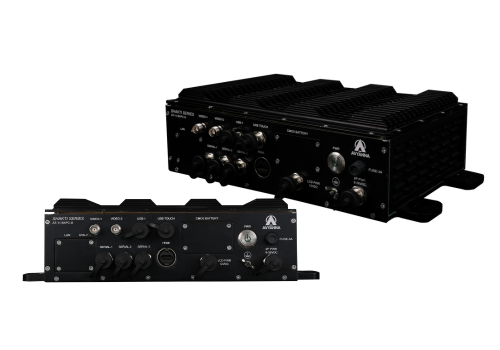
Box PC Reliability: What Powers 24/7 Operations
A box PC is a compact, enclosed industrial computer designed to run continuously in environments where a standard desktop or consumer computer would fail within months. No integrated display, no unnecessary components – just a sealed, purpose-built processing unit engineered for one job: running critical automation, monitoring, or control software around the clock without interruption.
In facilities that operate 24/7 – food and beverage plants, oil and gas sites, transportation systems, warehouses – computer downtime isn’t a minor inconvenience. It can halt production lines, interrupt data logging, or take safety and monitoring systems offline. That’s why so many of these facilities rely on a rugged box PC or industrial fanless PC box instead of standard commercial-grade computers that weren’t designed for constant, uninterrupted operation.
This article breaks down exactly what makes a box PC reliable for 24/7 industrial use – from fanless cooling design to environmental sealing – and how to choose the right one for continuous operation.
What Is a Box PC and Why Does Reliability Matter?
A box PC is a small, enclosed industrial computer that typically mounts on a wall, DIN rail, or equipment panel rather than sitting inside a traditional tower case. It connects to external monitors, keyboards, and peripherals as needed, making it a flexible processing unit for control rooms, machine vision systems, kiosks, and automation cabinets.
Reliability matters because a box PC often functions as the computing backbone behind mission-critical systems: PLC communication, SCADA data collection, machine vision inspection, or network monitoring. If that computer fails, the systems depending on it stop functioning – sometimes with costly downstream consequences like halted production, lost data, or safety monitoring gaps.
What Makes a Box PC Reliable for Continuous 24/7 Operation?
1. Fanless Cooling Design
One of the most significant differentiators of a reliable industrial box PC is fanless operation. Cooling fans are among the most common failure points in any computer – they wear out, seize up, or accumulate dust that restricts airflow and causes overheating. A fanless box PC eliminates this failure point entirely by using passive heat sinks and a sealed metal chassis to dissipate heat, meaning there are no moving parts to wear down over years of continuous use.
2. Sealed, Dust- and Moisture-Resistant Enclosures
An industrial fanless PC box is typically housed in a sealed aluminum or steel enclosure rated IP40 to IP65 or higher, protecting internal components from dust, debris, and in some cases, liquid exposure. This matters significantly in manufacturing environments where airborne particulates would quickly clog a standard computer’s fans and vents.
3. Wide Operating Temperature Range
Reliable box PCs are rated to operate across extended temperature ranges – often -20°C to 60°C or wider – allowing them to function in unheated warehouses, outdoor enclosures, or hot factory floors without thermal shutdown or performance throttling.
4. Solid-State Storage
Rather than traditional spinning hard drives, which are vulnerable to vibration and mechanical wear, industrial box PCs typically use solid-state drives (SSDs) or industrial-grade flash storage. This significantly reduces failure rates in environments with continuous vibration from nearby machinery.
5. Wide DC Voltage Input Tolerance
Industrial box PCs are commonly built with wide-range DC power input (such as 9-36V DC or 12-48V DC) and protection against voltage spikes, brownouts, and power fluctuations – common occurrences in industrial electrical systems that would cause standard PC power supplies to fail.
6. Vibration and Shock Resistance
With no spinning drives or fans and a solid-mounted internal architecture, a rugged box PC can typically tolerate significantly higher vibration and shock loads than commercial computers, making it suitable for mounting directly on or near vibrating machinery, vehicles, or mobile equipment.
7. Long-Term Component Availability
Industrial-grade box PCs are often built around embedded processor platforms with extended lifecycle commitments from manufacturers (5-10+ years), unlike consumer PC components that may be discontinued within a year or two – an important factor for facilities that need identical replacement units years down the line.
Rugged Box PC vs. Standard Commercial PC
| Factor | Rugged Box PC | Standard Commercial PC |
| Cooling | Fanless, passive heat dissipation | Fan-cooled, dust-prone |
| Enclosure rating | IP40-IP65+ sealed | Minimal or no sealing |
| Storage | Solid-state (SSD/flash) | Often mechanical HDD |
| Operating temperature | -20°C to 60°C+ | 0°C to 40°C typical |
| Vibration/shock tolerance | High | Low |
| Power input | Wide-range DC, surge protected | Standard AC, limited protection |
| Product lifecycle | 5-10+ years | 1-2 years |
| Mounting | DIN-rail, wall, panel mount | Desktop/tower only |
Common Applications for Industrial Box PCs in 24/7 Environments
- Machine vision and quality inspection systems running continuous image processing on production lines
- SCADA and HMI backend processing in control rooms and remote monitoring stations
- Digital signage and kiosk systems operating unattended around the clock
- Transportation and fleet systems, including in-vehicle computing for buses, trains, and logistics equipment
- Warehouse and logistics automation, including conveyor control and inventory tracking systems
- Oil, gas, and utility monitoring stations in remote or environmentally harsh locations
How to Choose the Right Box PC for 24/7 Operations
- Match environmental sealing to your conditions: Choose the IP rating based on actual dust and moisture exposure at the installation site, not just a general “industrial” label.
- Confirm fanless design for dusty or dirty environments: A fanless box PC removes one of the most common points of failure in continuous-use settings.
- Check the operating temperature range: Ensure it covers both the facility’s seasonal extremes and any additional heat generated by nearby machinery.
- Prioritize solid-state storage: SSD-based storage significantly reduces failure risk in vibration-prone environments.
- Verify processing power for your application: Machine vision and analytics workloads require more processing headroom than simple data logging or HMI display tasks.
- Check I/O availability: Confirm sufficient Ethernet, USB, serial, and digital I/O ports for your specific PLC, camera, or sensor connections.
- Review vendor lifecycle commitments: Choose a supplier that guarantees long-term availability of the same model for future replacements or scaling.
Frequently Asked Questions
What is a box PC used for in industrial settings?
A box PC is used as a compact, rugged computing unit for tasks like SCADA data processing, machine vision inspection, HMI backend operation, and automation control, typically mounted on walls, DIN rails, or equipment panels in factories and control rooms.
What makes a box PC reliable for 24/7 operation?
A reliable box PC typically combines fanless cooling, a sealed dust- and moisture-resistant enclosure, solid-state storage, wide operating temperature tolerance, and wide-range DC power input – all of which reduce the mechanical and environmental failure points common in standard computers.
What is the difference between a fanless box PC and a standard box PC?
A fanless box PC uses passive heat sinks and a sealed metal chassis to dissipate heat without a cooling fan, eliminating a common failure point. Some box PCs still use fans for cooling, which can be more prone to dust accumulation and mechanical wear over time.
How long do industrial box PCs typically last?
With proper environmental matching, industrial box PCs are generally designed to operate reliably for 5 to 10 years or more, significantly longer than consumer-grade computers used in similar conditions.
Can a box PC operate in extreme temperatures?
Many industrial box PCs are rated for extended operating temperature ranges, often from -20°C to 60°C or wider, allowing reliable operation in unheated warehouses, outdoor enclosures, or hot factory environments.
Keep Critical Systems Running Without Interruption
24/7 operations demand computing hardware that won’t become the weak link in the system. A box PC built with fanless cooling, sealed enclosures, and solid-state reliability keeps SCADA, machine vision, and automation systems running continuously – without the downtime risks that come with standard commercial-grade computers.
At Avyanna Tech, we help facilities select the right rugged box PC or industrial fanless PC box for continuous, mission-critical operation. Contact us to explore our full range of fanless box PC solutions and keep your 24/7 operations running reliably.
[email protected]