
Advantages of Using a Serial Device Server in Modern Networks
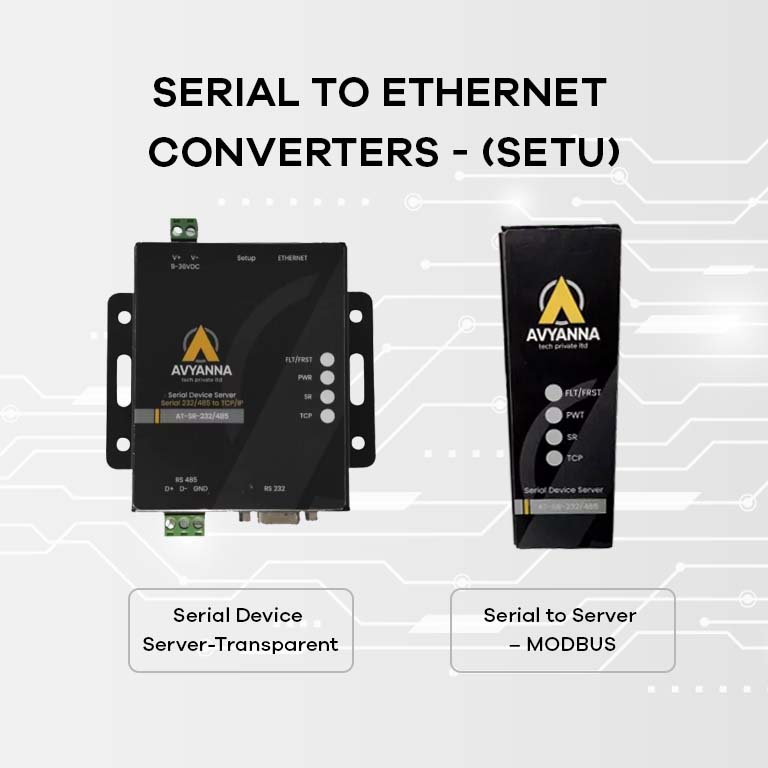
Serial Device Server for Smart Industrial Networking
As industries move rapidly toward digital transformation, many critical machines and instruments still rely on traditional serial communication such as RS232, RS485, and RS422. Replacing these devices is often expensive and unnecessary.
This is where a serial device server becomes essential.
By converting serial data into Ethernet or IP-based communication, a serial device server allows legacy equipment to seamlessly integrate with modern networks without changing existing hardware.
Let’s explore how serial device servers work and why they have become a core component of today’s industrial networking systems.
What Is a Serial Device Server?
A serial device server is a networking device that connects serial-based equipment to an Ethernet network, enabling communication over LAN, WAN, or the internet.
It acts as a bridge between:
- Serial devices (PLC, meters, sensors, CNC machines)
- IP-based networks (Ethernet, cloud platforms, SCADA systems)
Once connected, serial devices can be monitored, controlled, and accessed remotely as if they were native network devices.
Why Serial Communication Still Exists
Despite Industry 4.0 adoption, serial communication remains widely used because:
- Millions of industrial devices operate on RS232/RS485
- Serial protocols are stable and noise-resistant
- Equipment life cycles often exceed 15–20 years
- Replacing machines is far costlier than upgrading connectivity
A serial device server modernizes these systems without replacing them.
Key Advantages of Using a Serial Device Server
1. Enables Legacy Device Integration
A serial device server allows older equipment to connect with:
- Ethernet networks
- SCADA systems
- Cloud monitoring platforms
- IoT applications
This extends the life of existing assets while supporting modern communication standards.
2. Centralized Network Management
With a serial device server, multiple devices can be:
- Monitored from a single location
- Managed over TCP/IP
- Diagnosed remotely
This eliminates the need for physical access to control panels.
3. Remote Monitoring & Control
Operators can access serial devices from anywhere using:
- Virtual COM ports
- Web-based configuration tools
- Industrial software platforms
This significantly improves uptime and reduces service response time.
4. Reduced Wiring & Infrastructure Costs
Traditional serial systems require long-distance cabling.
Using a serial device server:
- Serial data travels over Ethernet
- Distance limitations are removed
- Network infrastructure is simplified
This reduces installation and maintenance costs.
5. Supports Multiple Protocols
Modern serial device servers support:
- RS232 / RS485 / RS422
- TCP/IP, UDP
- Modbus TCP to Modbus RTU conversion
- Transparent data transmission
This flexibility makes them suitable for diverse industrial environments.
6. Improved Reliability and Data Stability
Industrial-grade serial device servers offer:
- Electrical isolation
- Surge protection
- Stable data transmission
- Noise immunity
This ensures reliable communication even in harsh environments.
7. Easy Scalability
As operations grow, adding new devices is simple:
- No redesign of the system
- Plug-and-play expansion
- Works with existing network architecture
This makes serial device servers future-ready.
Applications of Serial Device Servers
Serial device servers are widely used in:
- Industrial automation
- PLC networking
- Energy management systems
- Power monitoring meters
- Water treatment plants
- Building management systems
- CNC machines
- Solar monitoring systems
- Traffic and transportation systems
Anywhere serial data must meet Ethernet connectivity, a serial device server plays a vital role.
Transparent Mode – Simple and Powerful Communication
A transparent serial device server transmits serial data over Ethernet without modifying the data format.
This means:
- No protocol changes required
- Existing software continues to work
- Serial data remains untouched
Transparent mode is ideal for real-time monitoring and control applications.
Avyanna Tech Transparent Serial Device Server
The Avyanna Tech Transparent Serial Device Server is designed to deliver reliable and secure serial-to-Ethernet communication for industrial networks.
Key Features:
- Supports RS232 / RS485 / RS422
- Transparent data transmission
- Industrial-grade protection
- Stable long-distance communication
- Easy configuration and integration
- Suitable for automation and IoT systems
Why Choose Avyanna Tech?
Avyanna Tech focuses on delivering:
- High-performance industrial communication products
- Reliable networking solutions
- Robust hardware design
- Long-term operational stability
Their serial device servers are built to support modern networks while preserving existing investments.
Conclusion
As industries adopt smart factories and connected systems, bridging old and new technologies becomes critical.
A serial device server offers a cost-effective, reliable, and scalable way to integrate legacy serial devices into modern IP networks without disruption or replacement.
Whether it’s automation, energy monitoring, or industrial IoT, using a serial device server ensures seamless communication, improved efficiency, and long-term system flexibility.


[email protected]