
Why Ethernet Serial Device Servers Are Essential for Industry 4.0
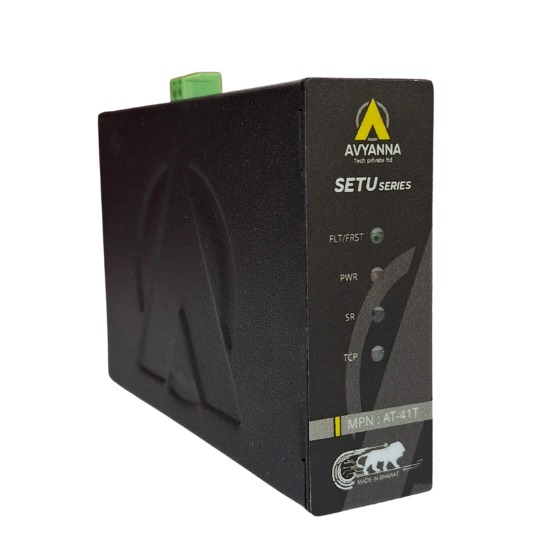
Serial Device Server: Key to Industry 4.0 Networks
Industry 4.0 promises connected factories, real-time data, and machines that talk to each other and to the cloud. But most plants aren’t starting from a blank slate – they’re running a mix of brand-new IIoT sensors alongside PLCs, drives, and instruments that are 10, 15, even 20 years old and communicate only over RS-232, RS-422, or RS-485 serial connections. An Ethernet serial device server is the piece of hardware that makes it possible to bring all of that equipment into a single connected network, without waiting years for a full equipment refresh.
A serial device server converts serial data into Ethernet/TCP-IP traffic, allowing legacy serial devices to participate in modern industrial networks, feed data into cloud and edge platforms, and be monitored or controlled remotely – all core requirements of an Industry 4.0 architecture. Without this bridge, a significant portion of a facility’s equipment remains invisible to the very systems designed to optimize it.
This article looks at why serial device servers have become essential infrastructure for Industry 4.0 initiatives, and what to consider when deploying one across a facility.
What Is a Serial Device Server’s Role in an Industry 4.0 Architecture?
Industry 4.0 is built on a few foundational capabilities: connected devices, real-time data flow, edge and cloud computing, and interoperability between old and new systems. A serial device server directly supports each of these:
- Connectivity: Bridges serial-only equipment onto the plant’s Ethernet or wireless network, making previously isolated devices addressable and reachable.
- Real-time data flow: Enables continuous streaming of process data from legacy PLCs and instruments into SCADA, MES, or historian systems without polling delays.
- Edge and cloud integration: Once serial data is converted to Ethernet/TCP-IP, it can be routed to edge gateways, local analytics platforms, or cloud-based IIoT dashboards.
- Interoperability: Allows newer software platforms – often designed exclusively for Ethernet/IP-based communication – to interact with older serial-based equipment without custom integration work.
In practical terms, a serial device server is often the single component standing between “this old equipment can’t talk to our new systems” and full plant-wide visibility.
Why Industry 4.0 Initiatives Stall Without Serial Connectivity
Many Industry 4.0 and digital transformation projects begin with ambitious goals – predictive maintenance, real-time OEE dashboards, centralized SCADA visibility – but stall when planners realize a large share of existing equipment can’t communicate on the intended network. Common scenarios include:
- Legacy PLCs with only RS-232/RS-485 ports, common in equipment installed before Ethernet-based PLCs became standard.
- Validated lab and measurement instruments in regulated industries, where replacing equipment triggers costly recertification.
- CNC machines and older automation cells with long depreciation schedules and no native network interface.
- Building and facility systems (HVAC controllers, energy meters) still running on serial protocols.
Rather than delaying Industry 4.0 initiatives until this equipment is replaced – often a multi-year, capital-intensive process – a serial device server allows these systems to be brought online immediately, closing the connectivity gap without disrupting operations.
Key Benefits of Serial Device Servers for Industry 4.0 Deployments
1. Immediate ROI Without Capital Equipment Replacement
Deploying serial device servers across a facility is typically a fraction of the cost of replacing legacy equipment, allowing Industry 4.0 connectivity goals to be met on a compressed timeline and budget.
2. Full-Facility Data Visibility
When both new IIoT sensors and legacy serial equipment feed into the same network, dashboards and analytics platforms gain a complete picture of plant performance – rather than blind spots around older machinery.
3. Support for Predictive Maintenance
Real-time data from previously isolated serial equipment can now feed into predictive maintenance algorithms, giving maintenance teams visibility into wear patterns and failure risk on machines that were previously monitored only through manual inspection.
4. Simplified Scaling Across Multiple Devices
Multi-port serial device servers allow facilities to bring entire groups of serial devices – a bank of lab instruments, a row of legacy controllers – onto the network through a single unit, simplifying large-scale IIoT rollouts.
5. Compatibility with Existing Software Through Virtual COM Ports
Many serial device servers support virtual COM port mode, meaning existing SCADA or monitoring software continues to work exactly as before – the software simply reads from what appears to be a local serial port, while the serial device server handles the network transport behind the scenes.
Serial Device Server Deployment Models for Industry 4.0
| Deployment Model | Best For | Key Advantage |
| Single-port device server | Individual legacy machines or instruments | Simple, low-cost point solution |
| Multi-port device server | Groups of serial devices in one area (lab, control room) | Centralizes multiple connections through one unit |
| Wireless/cellular device server | Remote or hard-to-wire equipment | Avoids new cabling runs |
| Modbus gateway mode | Legacy Modbus RTU devices | Converts directly to Modbus TCP for modern PLC/HMI integration |
| Managed/VLAN-segmented deployment | Facilities prioritizing OT/IT security separation | Isolates legacy devices from broader network exposure |
How to Plan a Serial Device Server Rollout for Industry 4.0
- Audit existing serial equipment: Identify which machines, instruments, and controllers still rely on RS-232/422/485 communication before selecting hardware.
- Prioritize by data value: Start with equipment that provides the most valuable production, quality, or maintenance data to your Industry 4.0 initiative.
- Choose the right protocol support: Confirm Modbus RTU/TCP gateway capability if legacy devices use Modbus, or virtual COM port mode if existing software must remain unchanged.
- Plan network segmentation: Use VLANs and managed switches to separate legacy OT equipment from broader IT network traffic for security purposes.
- Scale with multi-port units where appropriate: Group nearby serial devices through multi-port serial device servers rather than deploying single-port units everywhere.
- Confirm long-term vendor support: Industry 4.0 rollouts often span years; choose a supplier with a track record of firmware updates and technical support.
Frequently Asked Questions
Why are serial device servers important for Industry 4.0?
Serial device servers connect legacy serial equipment (RS-232/422/485) to Ethernet-based networks, allowing older machines and instruments to participate in Industry 4.0 initiatives like real-time monitoring, predictive maintenance, and cloud/edge analytics without requiring full equipment replacement.
Can a serial device server work with cloud and IIoT platforms?
Yes. Once a serial device server converts legacy serial data into Ethernet/TCP-IP format, that data can be routed to edge gateways, local analytics systems, or cloud-based IIoT platforms alongside data from newer connected sensors.
Do I need to replace legacy PLCs to make them Industry 4.0 ready?
Not necessarily. A serial device server can bridge legacy PLCs with only serial ports onto a modern Ethernet network, allowing them to feed data into SCADA, MES, and IIoT systems without hardware replacement.
What is the difference between a single-port and multi-port serial device server?
A single-port serial device server connects one serial device to the network, while a multi-port model can connect multiple serial devices (4, 8, 16, or more) through a single networked unit, useful for facilities with several legacy devices in one area.
How does a serial device server support predictive maintenance?
By bringing real-time data from previously isolated legacy equipment onto the network, a serial device server allows that data to feed into predictive maintenance software, giving maintenance teams visibility into equipment performance and wear that wasn’t previously available.
Bridge the Gap Between Legacy Equipment and Industry 4.0
Industry 4.0 isn’t just about new equipment – it’s about connecting everything a facility already has into a single, data-rich network. A serial device server makes that possible for the RS-232/422/485 equipment that would otherwise remain isolated, giving facilities full visibility without the cost and disruption of large-scale replacement.
At Avyanna Tech, we help manufacturers and system integrators deploy serial device servers as part of broader Industry 4.0 and IIoT connectivity strategies, from single-port bridges to fully managed, multi-port network deployments. Contact us to explore our full range of serial device server solutions and connect every piece of your facility to your Industry 4.0 network.

[email protected]