
Solving RS485 Communication Failures with an Isolator Repeater
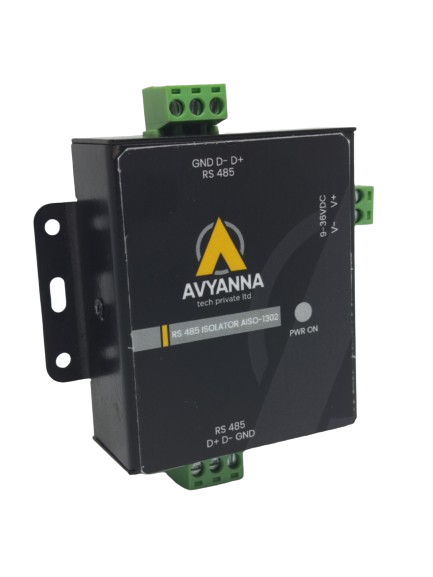
Solving RS485 Failures with RS485 Isolator Repeater
If you’ve ever watched a Modbus network drop packets for no obvious reason, or seen a PLC lose communication with a field device the moment a motor kicks on nearby, you already know how frustrating RS485 issues can be. Most of the time, the fix isn’t a new PLC or a new SCADA license – it’s a proper RS485 isolator repeater.
RS485 is one of the most trusted protocols in industrial automation, known for its reliability over long cable runs. But in real factory conditions – with motors, drives, and heavy machinery nearby – even a solid protocol can run into trouble. In this article, we’ll look at why RS485 networks fail, and how adding isolation and signal regeneration solves the problem for good.
Common Causes of RS485 Communication Failures
- Before jumping to a fix, it helps to understand what’s actually going wrong on the line. Most RS485 communication failures trace back to a handful of familiar culprits.
- Electrical noise from nearby equipment: Motors, variable frequency drives, and switching equipment generate electrical noise that can bleed into nearby data cables, corrupting signals as they travel.
- Ground loops: When field devices and control equipment are grounded at different points, a small voltage difference can form between them. This creates a ground loop that introduces errors or, in worse cases, damages connected equipment.
- Voltage surges and transients: Lightning strikes, switching equipment, and power fluctuations can send surges down a communication line, putting connected PLCs, HMIs, and meters at risk.
- Long cable runs with multiple nodes: RS485 is built for multi-node networks, but as cable length increases and more devices are added, signal quality can weaken, leading to garbled or lost data.
- Mixing legacy and modern hardware: Older RS-232 equipment sitting alongside newer RS485-based systems can create compatibility headaches, especially when there’s no isolation between the two sides.
Any one of these issues can cause a network to behave unpredictably – communication drops, corrupted data, or repeated device failures that seem to happen for no clear reason.
How an RS485 Isolator Repeater Solves These Problems
An RS485 isolator repeater tackles these problems in two ways: isolation and regeneration.
Isolation separates the control side of the network from the field side electrically. This means noise, surges, or ground-loop voltage on one side can’t pass through to damage equipment on the other. Think of it as a shock absorber sitting between your data lines – disturbances get absorbed instead of transmitted.
Regeneration rebuilds the signal as it passes through the repeater. Instead of a weakened signal limping along a long cable run, the repeater restores it to full strength, which helps extend the communication line and improves reliability across multi-node networks.
Together, these two functions protect your connected PLCs, HMIs, meters, and field devices from noise spikes, reverse voltage, and unexpected surges, while keeping data transmission clean even in harsh EMI/RFI environments like factory panels and energy systems.
For teams working with a mix of legacy RS-232 equipment and modern RS485 systems, this same isolation principle applies – separating the two sides so electrical disturbances don’t cross over and cause damage.
Key Features to Look for in an Industrial RS485 Isolator Repeater
Not all isolators are built the same. When evaluating one for your plant, here’s what actually matters:
- Optical isolation: This is the core technology that electrically separates control and field devices, so disturbances on one side can’t reach the other.
- Surge and ESD protection: A good isolator should protect connected devices from voltage spikes and electrostatic discharge, both common in industrial settings.
- Signal regeneration for extended networks: Look for a repeater function that rebuilds the signal, which helps maintain communication reliability across longer cable runs and more connected nodes.
- Compatibility with existing systems: Whether you’re running modern automation hardware or older serial equipment, the isolator should support the common serial standards used in automation and SCADA networks.
- Plug-and-play installation: Industrial teams don’t have time for complicated setup. A well-designed isolator should require no configuration – just mount it, connect it, and the network immediately benefits from isolation and noise immunity.
- Build quality for harsh environments: Since these devices often sit right next to motors and drives, they need to be engineered to handle constant exposure to electrical noise and interference.
Typical Industrial Applications
RS485 isolator repeaters are used anywhere a serial communication line needs to stay stable despite noisy or demanding conditions. Common examples include:
- Industrial automation panels, where isolators protect PLCs, HMIs, and meters connected to a shared RS485 or Modbus network.
- Multi-node Modbus networks, where a repeater extends communication distance while regenerating the signal for every connected device.
- Energy and utility systems, where equipment often sits near switching gear and needs protection from surges and ground loops.
- Facilities integrating legacy RS-232 devices alongside newer RS485-based automation systems, where isolation keeps both sides safe from cross-talk or damage.
In each of these situations, the goal is the same – keep data clean and equipment protected, without adding complexity to the network.
Why Choose Avyanna Tech
Avyanna Tech’s RAKSHA Series Isolators are built specifically to solve these industrial communication challenges. The lineup includes the RS-232 Serial Port Isolator (AT-5IB) and the Industrial Isolated RS-485 Isolator/Repeater (AT-5IA), a 3-port isolator with 1kV optical isolation.
These isolators are engineered to block ground loops, noise spikes, reverse voltage, and unexpected surges, protecting the PLCs, HMIs, meters, and field devices connected to your network. With optical isolation and surge suppression, the RAKSHA Series keeps signals stable even in harsh EMI/RFI environments like factory panels and energy systems.
The RS485 isolator repeater in the RAKSHA lineup also regenerates the signal as it passes through, helping extend communication line length and improve reliability across multi-node industrial networks – all with plug-and-play installation that requires no configuration.
Every RAKSHA isolator is designed, assembled, and tested in India with strict quality control, making Avyanna Tech a trusted choice for teams that need dependable, industrial-grade signal protection.
Conclusion
RS485 communication failures rarely fix themselves, and chasing intermittent noise or dropped data across a busy factory floor wastes time your team doesn’t have. Adding a properly built RS485 isolator repeater protects your equipment, cleans up your signal, and keeps your network running the way it’s supposed to.
If your RS485 or Modbus network keeps giving you trouble, take a look at Avyanna Tech’s RAKSHA Series Isolators and find the right isolation solution for your plant.
Frequently Asked Questions
1. What does an RS485 isolator repeater do?
It electrically isolates the control side of a network from the field side to block noise, surges, and ground loops, while also regenerating the signal to extend communication distance across multi-node networks.
2. Why does my RS485 network keep losing communication?
Common causes include electrical noise from nearby motors or drives, ground loops between devices, voltage surges, and signal weakening over long cable runs with multiple connected nodes.
3. Is an isolator RS485 needed for every industrial network?
It’s especially important in environments with heavy machinery, motors, or drives nearby, since these conditions create the electrical noise and surges that most often disrupt serial communication.
4. Can an RS485 isolator repeater work with older RS-232 equipment?
Yes, isolators like Avyanna Tech’s RAKSHA Series support both RS-232 and RS485 systems, making it possible to safely integrate legacy hardware with modern automation networks.
5. Does installing an isolator require complex configuration?
No. A well-designed industrial isolator, like the RAKSHA Series, is plug-and-play – you mount it, connect it, and your system immediately benefits from isolation and noise immunity.

[email protected]