Why RS232 to RS485 Converters Are Still Essential in Industrial Automation (2026)
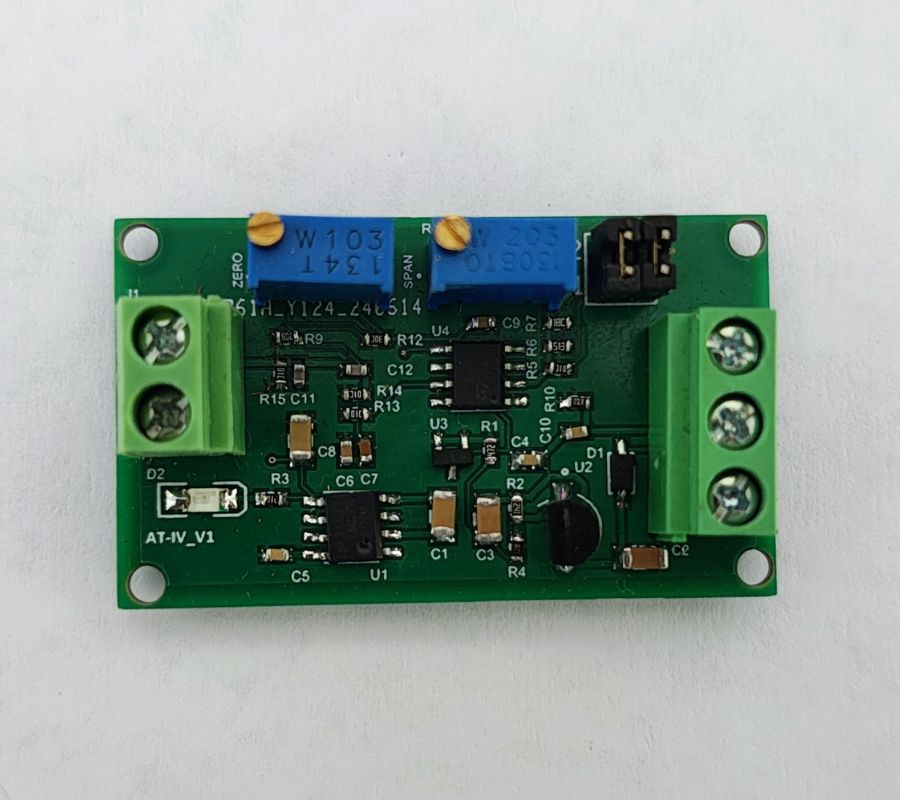
RS232 to RS485 Converter for Industrial Automation (2026)
In an era of IIoT, smart factories, and cloud-connected machines, it’s easy to assume that older communication standards like RS232 are obsolete. But step inside most industrial plants in 2026 and you’ll find legacy machines still doing critical work, reliably, day in and day out. The challenge isn’t replacing every old device. It’s connecting them to modern control systems.
That’s exactly why an rs232 to rs485 converter remains essential in industrial automation. It acts as a practical bridge between legacy serial devices and today’s multi-device, long-distance industrial networks, without forcing costly equipment upgrades.
The Reality of Industrial Automation in 2026
Factories rarely replace machines just because a communication protocol is old. CNC machines, weighing systems, sensors, energy meters, and controllers built years ago often still rely on RS232. At the same time, modern automation systems prefer RS485 for its noise immunity and ability to connect multiple devices over long distances.
An rs232 to rs485 converter solves this compatibility gap, allowing legacy equipment to communicate reliably with PLCs, SCADA systems, and industrial networks.
RS232 vs RS485: Why Conversion Is Still Needed
RS232 was designed for short-distance, point-to-point communication. It works well for connecting one device to one controller over short cable lengths.
RS485, on the other hand, supports:
- Long cable runs across factory floors
- Multi-drop networks (multiple devices on one bus)
- Better resistance to electrical noise
- More stable communication in harsh industrial environments
When you need to connect an RS232-only device into an RS485-based network, the rs232 to rs485 converter becomes the simplest and most reliable solution.
Key Use Cases in 2026 Automation Projects
Even in 2026, converters play a critical role across industries:
- Legacy machine integration: Connect older CNC machines and industrial equipment to modern PLC systems
- SCADA and DCS networks: Bring RS232-based field devices into centralized monitoring platforms
- Utility and energy systems: Interface older energy meters and data loggers with RS485 networks
- Building management systems (BMS): Integrate legacy controllers into centralized automation
- Process industries: Maintain communication with proven instruments while upgrading control layers
In all these cases, an rs232 to rs485 converter avoids unnecessary machine replacement while modernizing the communication layer.
Reliability in Harsh Industrial Environments
Industrial environments are noisy, electrically and physically. Motors, inverters, and high-power equipment can disrupt serial communication. RS485 is designed for such conditions, offering differential signaling and higher noise immunity.
Using an rs232 to rs485 converter allows sensitive RS232 devices to benefit from RS485’s robustness over longer cable runs. This improves data reliability, reduces communication errors, and minimizes troubleshooting time for maintenance teams.
Cost-Effective Modernization Without Downtime
Full equipment replacement is expensive and disruptive. In many plants, downtime costs far more than the hardware itself. Converters offer a low-risk modernization path:
- No need to replace functioning machines
- Faster integration with modern control systems
- Lower capital expenditure
- Minimal downtime during upgrades
By deploying an rs232 to rs485 converter, plants can upgrade their communication infrastructure incrementally, without halting production.
What to Look for in an Industrial-Grade Converter
Not all converters are built for factory conditions. When selecting an rs232 to rs485 converter for industrial automation in 2026, look for:
- Industrial-grade build quality
- Electrical isolation for surge and noise protection
- Stable communication over long distances
- Compatibility with protocols like Modbus RTU
- Options for DIN-rail mounting in control panels
- Reliable vendor support and documentation
Choosing the right hardware upfront reduces long-term maintenance issues and communication failures.
How Avyanna Tech Supports Modern Automation
At Avyanna Tech, converters are designed to bridge old and new industrial systems reliably. Their range of communication converters helps automation teams:
- Integrate legacy RS232 devices into RS485 networks
- Improve communication stability in noisy environments
- Build scalable networks without replacing existing equipment
- Maintain system reliability with industrial-grade hardware
Whether you’re upgrading a single machine or modernizing an entire plant network, choosing the right rs232 to rs485 converter ensures smooth, dependable data flow.
Conclusion
Industrial automation in 2026 isn’t about discarding the past; it’s about making proven equipment work seamlessly with modern systems. The rs232 to rs485 converter remains essential because it enables practical, cost-effective modernization without disrupting operations. For factories balancing innovation with reliability, this small device plays a big role in keeping systems connected and productive.

[email protected]