RS232 to RS485 Converter: What It Is and Why Industrial Systems Still Need It
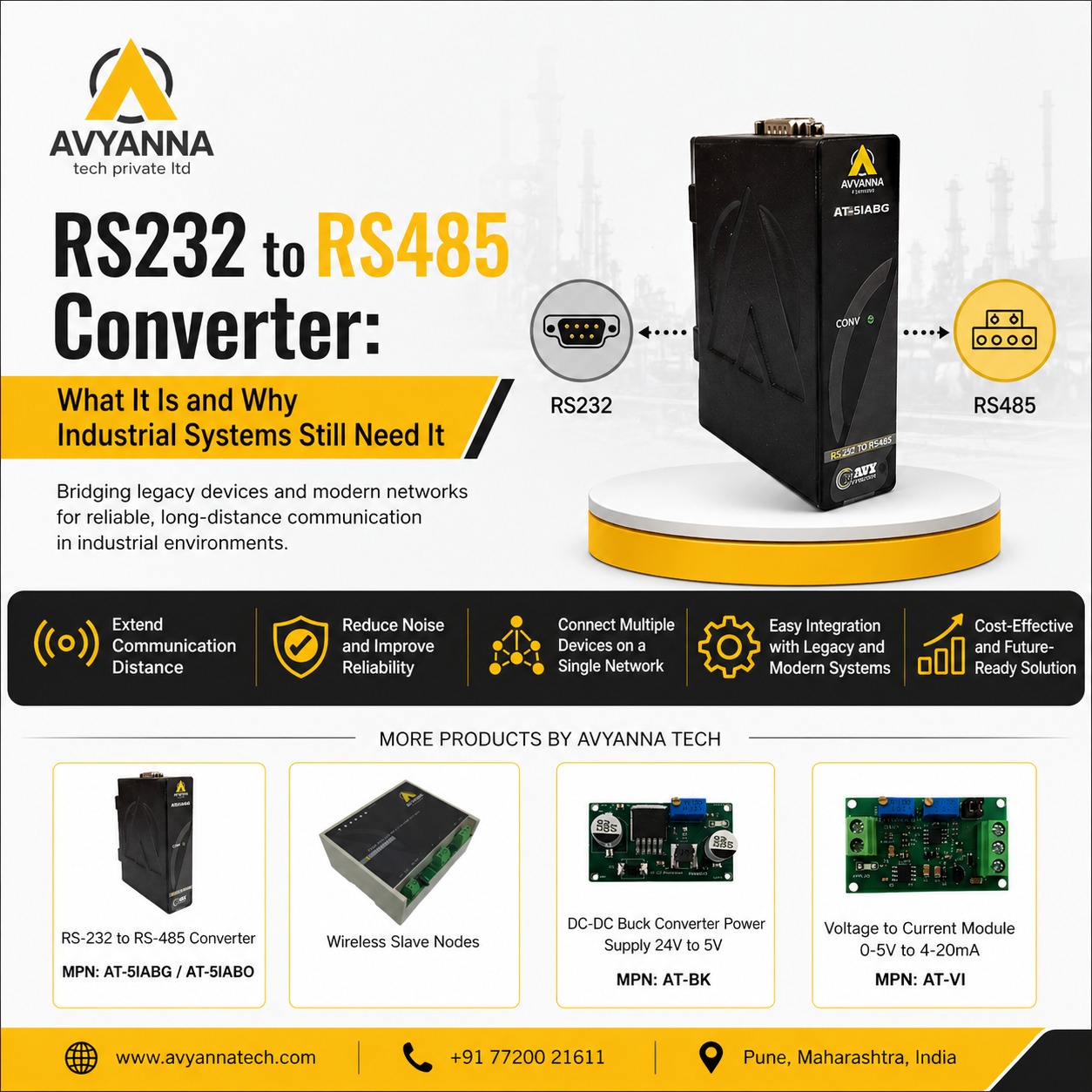
RS232 to RS485 Converter for Industrial Systems
Industrial communication has evolved rapidly, but many factories and automation systems still rely on legacy serial devices. This is where an RS232 to RS485 converter becomes indispensable. Whether you’re connecting older equipment to modern networks or extending communication distances, this compact device bridges the gap between past and present technologies.
For manufacturers, system integrators, and plant managers in Pune and across India, investing in the right converter ensures seamless communication, reduced downtime, and better operational efficiency.
What Is an RS232 to RS485 Converter?
An RS232 to RS485 converter is a communication interface device that converts RS232 serial signals into RS485 signals. It allows devices using the RS232 standard—such as computers, PLCs, or legacy controllers – to communicate with RS485-based industrial equipment.
In Simple Terms
- RS232 is designed for short-distance, point-to-point communication.
- RS485 supports long-distance, multi-device communication.
- A converter enables these two standards to work together reliably.
This makes the converter RS 232 to 485 a critical component in industrial automation, process control, and building management systems.
RS232 vs RS485: Understanding the Difference
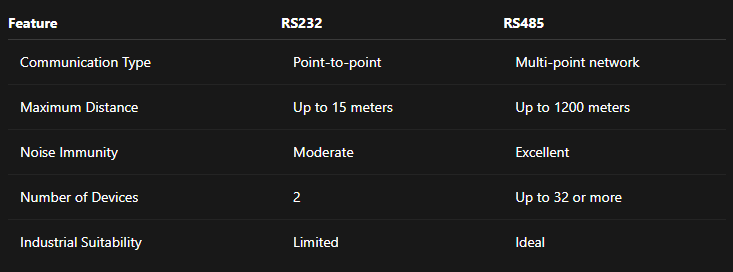
Because of these advantages, RS485 has become the preferred standard for industrial communication networks.
Why Industrial Systems Still Need RS232 to RS485 Converters
Many industrial facilities continue to operate legacy equipment that was originally designed with RS232 interfaces. Replacing this equipment can be costly and disruptive. Instead, an RS232 to RS485 converter offers a practical and cost-effective solution.
Key Benefits
1. Legacy Equipment Integration
Connect older machines, PLCs, HMIs, and controllers to modern RS485 networks without replacing existing hardware.
2. Extended Communication Distance
RS232 is limited to short cable runs. RS485 allows communication over much greater distances, making it ideal for large plants and distributed systems.
3. Improved Noise Immunity
Industrial environments are electrically noisy. RS485’s differential signaling ensures reliable data transmission even in harsh conditions.
4. Multi-Device Connectivity
One RS485 network can connect multiple devices, enabling scalable industrial communication.
5. Cost Savings
Using converters avoids expensive system upgrades and extends the lifespan of legacy assets.
Common Applications of RS232 to RS485 Converters
These converters are widely used across industries for seamless data communication.
Typical Use Cases
- PLC to SCADA communication
- Industrial automation systems
- Building management systems (BMS)
- Energy monitoring and metering
- HVAC control systems
- Access control systems
- Manufacturing equipment integration
- Modbus RTU networks
For example, a factory may use an RS232 PLC that needs to communicate with multiple RS485 sensors spread across the production floor. A converter makes this possible efficiently.
How an RS232 to RS485 Converter Works
The converter receives single-ended RS232 signals from a host device and translates them into differential RS485 signals. This enables robust communication over longer distances and across multiple devices.
Basic Working Process
- Data is sent from an RS232 device.
- The converter translates the electrical signal format.
- The RS485 network receives the converted signal.
- Multiple connected devices can then communicate reliably.
This process happens in real time, ensuring seamless interoperability.
Key Features to Look For
When selecting an industrial-grade RS232 to RS485 converter, consider the following:
- Optical isolation for protection
- Surge protection
- Automatic flow control
- Wide operating temperature range
- DIN rail mounting options
- Compact industrial design
- High data transfer rates
- Compatibility with Modbus RTU and other protocols
These features ensure reliability in demanding industrial environments.
Factors Affecting RS232 to RS485 Converter Price
The RS232 to RS485 converter price can vary depending on specifications and build quality.
Price Influencing Factors
- Isolation level
- Port configuration
- Data transmission speed
- Industrial certifications
- Housing material
- Brand reputation
- Environmental protection rating
While low-cost converters may seem attractive, industrial applications demand robust, high-quality solutions for long-term reliability.
Why Choose Industrial-Grade Converters from Avyanna Tech?
Avyanna Tech offers reliable serial communication solutions engineered for industrial environments. Our converters are designed to provide:
- Stable long-distance communication
- High noise immunity
- Easy integration with existing systems
- Rugged industrial performance
- Long service life
- Technical support and application guidance
Whether you’re upgrading a legacy system or building a new automation network, our converter solutions ensure dependable performance.
Best Practices for Installation
To maximize performance:
- Use shielded twisted-pair cables
- Maintain proper grounding
- Terminate the RS485 network correctly
- Avoid cable routing near high-voltage lines
- Follow manufacturer wiring guidelines
- Test communication before full deployment
Proper installation significantly improves system reliability.
FAQs
1. What does an RS232 to RS485 converter do?
It converts RS232 serial signals into RS485 signals, enabling communication between devices using different serial standards.
2. Why is RS485 better than RS232 for industrial applications?
RS485 supports longer distances, multiple devices, and offers superior noise immunity, making it ideal for industrial environments.
3. Can I connect multiple devices using an RS232 to RS485 converter?
Yes. RS485 supports multi-drop communication, allowing one host to communicate with multiple devices.
4. What is the typical RS232 to RS485 converter price?
Pricing varies based on features such as isolation, surge protection, and industrial-grade design.
5. Where are RS232 to RS485 converters commonly used?
They are widely used in factory automation, SCADA systems, energy management, HVAC, and building automation.
Conclusion
As industries modernize, legacy equipment remains a valuable asset. An RS232 to RS485 converter provides the perfect bridge between older serial devices and modern industrial communication networks. It improves connectivity, extends communication range, enhances reliability, and reduces upgrade costs.
For businesses in Pune and across India, investing in a high-quality converter is a smart step toward seamless automation and operational efficiency.
Ready to upgrade your industrial communication system? Explore Avyanna Tech’s range of industrial converters and find the right solution for your application.

[email protected]